
Cronulla to Botany Bay Discovery Centre
 Download & Print Map and Notes
 4 hrs 30 mins
 13.1 km One way
 185 m
185 m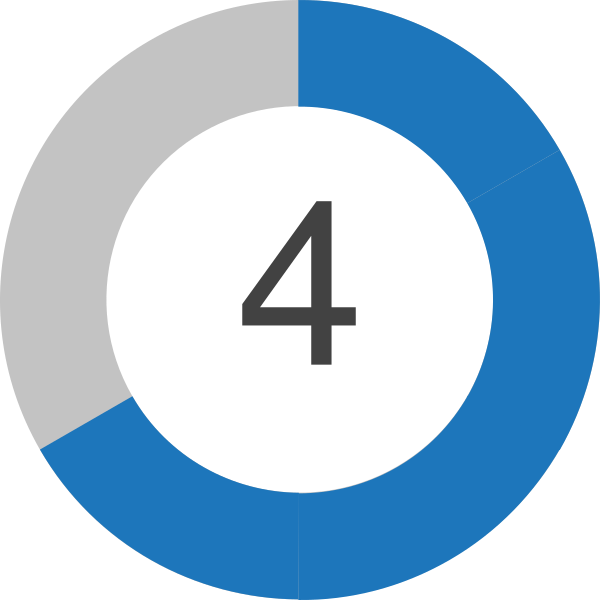 Hard track



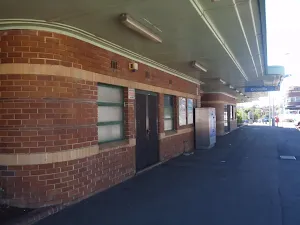
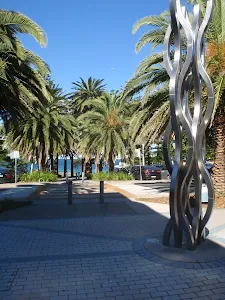
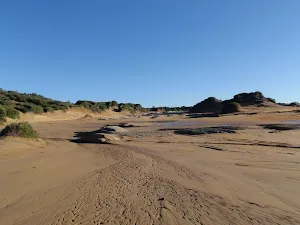
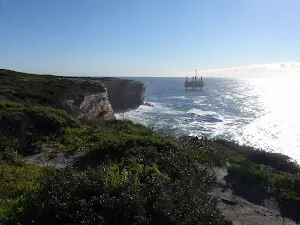
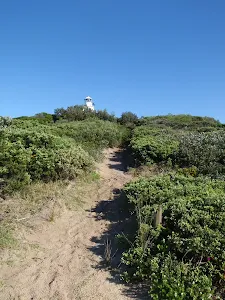
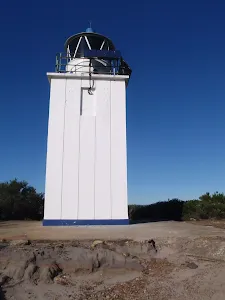


(0km) Cronulla Station → Cronulla Park
 350 m
350 m
 6 mins
 1m
1m
 -5m
Very easy
-5m
Very easyContinue straight: From the intersection, the walk crosses the road at the pedestrian crossing and follows the footpath into the park for a short distance before turning left onto another footpath. The walk follows this footpath (passing two intersecting footpaths) to the intersection with another footpath at the edge of the beach.
(0km) Cronulla Park → Louera Beach footpath (east)
960 m
16 mins
13m
-11m
Very easyVeer right: From the intersection, the walk follows the footpath north, keeping the beach to the right). At the end of the first cat park area the walk goes down the ramp and along the fenced path running along the back of the beach. The path passes a set of concrete stairs after about 200m and continues to the intersection with a short ramp heading down to Elouera Beach.
(1km) Louera Beach footpath (east) → Pimelwi Rocks
4.5 km
1 hr 11 mins
18m
-23m
Moderate track(6km) Pimelwi Rocks → Boat Harbour Beach (east)
460 m
8 mins
5m
-4m
Moderate track(6km) Boat Harbour Beach (east) → Sir Joseph Banks Drive Carpark
1.1 km
19 mins
18m
-15m
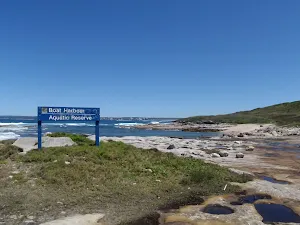
Moderate trackContinue straight: From the 'Boat Harbour Aquatic Reserve' sign, this walk heads north-east up and away from the ocean (keeping the ocean to the right, winding along the track to the Sir Joseph Banks Drive car park.
(7km) Sir Joseph Banks Drive Carpark → Rock platform
700 m
12 mins
14m
-5m
Hard track(8km) Rock platform → Int of Cape Bailey lighthouse track
690 m
16 mins
42m
-25m
Moderate track(9km) Int of Cape Bailey Lighthouse track → Cape Bailey Lighthouse
80 m
2 mins
8m
0m
Moderate trackCape Baily Lighthouse
(9km) Int of Cape Bailey lighthouse track → Sand dune int
950 m
18 mins
22m
-28m
Moderate trackHanging Swamps
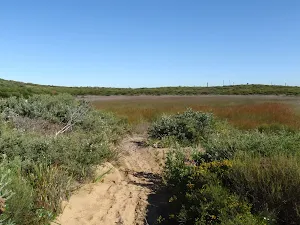
(10km) Sand dune int → Tabbigai Gap Track Int
550 m
9 mins
6m
-8m
Moderate track(10km) Tabbigai Gap Track Int → Int of Cape Bailey and car park tracks
1 km
17 mins
19m
-10m
Moderate track(11km) Int of Cape Bailey and car park tracks → Int of Cape Bailey and link track
670 m
11 mins
7m
-6m
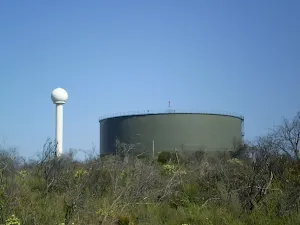
Moderate trackVeer right: From the intersection, the walk heads north along the wide sandy bush track, keeping the water tank and radar installation on your left as the track winds through the heath forest. The walk winds around to a small bush track which appears on the right (this is just before more-obvious intersection a little further up).
(12km) Int of Cape Bailey and link track → End of Polo Street
420 m
8 mins
2m
-19m
Moderate trackTurn right: From the intersection, this walk follows the service trail north-west, away from the water tank (with the power lines on the left-hand side), through the bush and down a gentle hill, continuing along until it heads around a National Parks gate at the end of Polo Street.
(12km) Int of Cape Bailey and link track → Int of Yena Servicetrail and link track
480 m
8 mins
7m
-8m
Moderate track(12km) Int of Yena Servicetrail and link track → Carpark
700 m
15 mins
13m
-33m
Moderate trackTurn right: From the intersection with the bush track, this walk heads north-east along a narrow sandy bush track that has several small ups and downs. Soon, the walk comes to an intersection with a small bush track at the top of the knoll - this is Kurnell Lookout, views obstructed by trees.
Continue straight: From the intersection at Kurnell Lookout, this walk heads north-east along the track for a short while until coming to an intersection with a management trail.
Turn left: From the intersection, this walk heads north-west, down along the wide gravelly management trail, with dense ferns on either side, until coming to Cape Solander Drive.
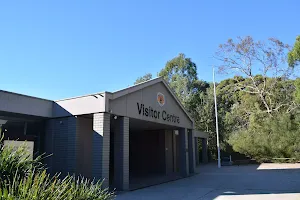
Continue straight: From the road, this walk heads north-west along the old road, now a service trail. This continues for a short period before passing over a small bridge. Just beyond this, the track opens out onto the Botany Bay Discovery Centre car park. The discovery centre is to the right.
Visitor Centre


Maps for the Cronulla to Botany Bay Discovery Centre walk
You can download the PDF for this walk to print a map.
These maps below cover the walk and the wider area around the walk, they are worth carrying for safety reasons.
| Port Hacking | 1:25 000 Map Series | 91294N PORT HACKING | NSW-91294N |
| Port Hacking | 1:100 000 Map Series | 9129 PORT HACKING | 9129 |
Cross sectional view of the Cronulla to Botany Bay Discovery Centre bushwalking track
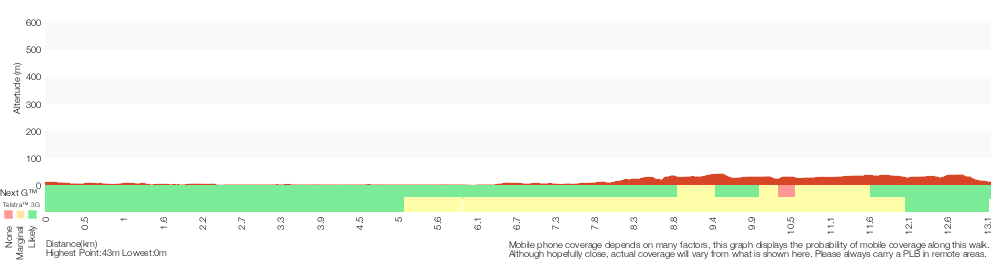
Analysis and summary of the altitude variation on the Cronulla to Botany Bay Discovery Centre
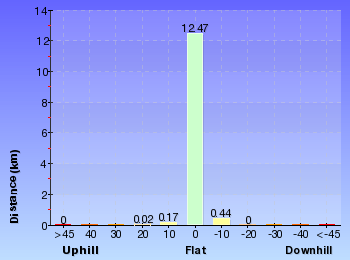
Overview of this walks grade – based on the AS 2156.1 – 2001
Under this standard, a walk is graded based on the most difficult section of the walk.
| Length | 13.1 km | ||
| Time | 4 hrs 30 mins | ||
| . | |||
Grade 4/6 Hard track | AS 2156.1 | Gradient | Short steep hills (3/6) |
| Quality of track | Rough track, where fallen trees and other obstacles are likely (4/6) | ||
| Signs | Directional signs along the way (3/6) | ||
| Experience Required | Moderate level of bushwalking experience recommended (4/6) | ||
| Weather | Weather generally has little impact on safety (1/6) | ||
| Infrastructure | Limited facilities, not all cliffs are fenced (3/6) |
Some more details of this walks Grading
Here is a bit more details explaining grading looking at sections of the walk
Gradient
9km of this walk has gentle hills with occasional steps and another 2.4km has short steep hills. The remaining (1.5km) is flat with no steps.
Quality of track
9km of this walk follows a formed track, with some branches and other obstacles and another 2.5km follows a clear and well formed track or trail. Whilst another 1.3km follows a smooth and hardened path and the remaining 700m follows a rough track, where fallen trees and other obstacles are likely.
Signs
Around 11km of this walk has directional signs at most intersection, whilst the remaining 2.5km is clearly signposted.
Experience Required
11km of this walk requires no previous bushwalking experience and another 1.7km requires some bushwalking experience. The remaining (700m) requires a leader a with moderate level of bushwalking experience.
weather
This whole walk, 13km is not usually affected by severe weather events (that would unexpectedly impact safety and navigation).
Infrastructure
Around 7km of this walk is close to useful facilities (such as fenced cliffs and seats), whilst the remaining 6km has limited facilities (such as not all cliffs fenced).
Similar walks
A list of walks that share part of the track with the Cronulla to Botany Bay Discovery Centre walk.
Muru and Yena Tracks
2.8 km Circuit, 1 hr 30 mins
Moderate track
Cape Baily Track from Cape Solander lookout
3.8 km One way, 1 hr 30 mins
Hard track
The Cape Bailey Walk
5 km One way, 1 hr 45 mins
Hard track
Cape Baily Coastal Walk Return
5.4 km One way, 2 hrs 30 mins
Hard track
Cape Baily Coast Walk
5.5 km Return, 2 hrs

Moderate track
Cape Baily track from visitor centre to Boat Harbour Reserve
5.7 km One way, 2 hrs 30 mins
Hard track
Botany Bay Discovery Centre to Cape Baily
8.8 km Return, 3 hrs
Moderate track
Cape Baily track from visitor centre (return)
8.9 km Return, 3 hrs
Moderate track
Botany Bay Coastal Walk
12.7 km One way, 4 hrs 15 mins
Hard track
Other Nearby walks
A list of walks that start near the Cronulla to Botany Bay Discovery Centre walk.
Bundeena to Little Marley Beach
14 km Return, 5 hrs
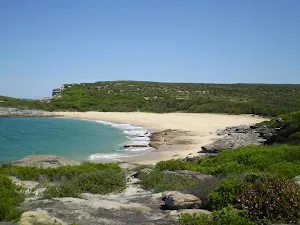

Moderate track
Bundeena to Marley Beach
12.7 km Return, 4 hrs 30 mins
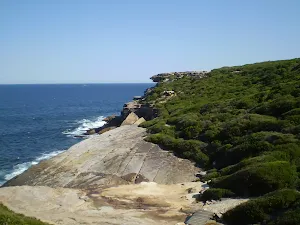
Moderate track
Bundeena to Marley Head
10.8 km Circuit, 3 hrs 20 mins
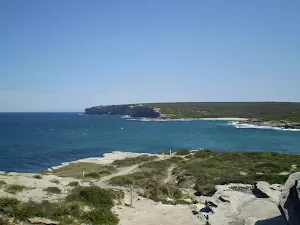
Moderate track
The Coast Track
27.4 km One way, 2 Days
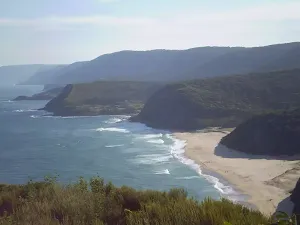
Hard track
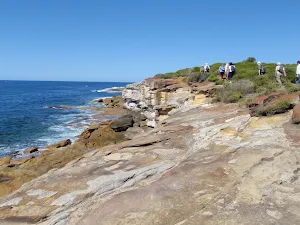
Bundeena to Jibbon Head Circuit
6.8 km Circuit, 2 hrs 30 mins
Moderate track
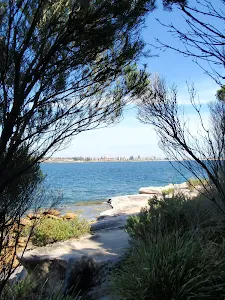
Jibbon Loop Track
5.1 km Circuit, 1 hr 45 mins
Moderate track
Jibbon Head Engravings
2.6 km Return, 45 mins
Moderate track
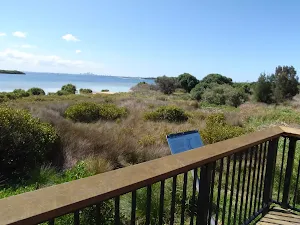
Quibray Bay viewing platform
84 m Return, 10 mins

Very easy
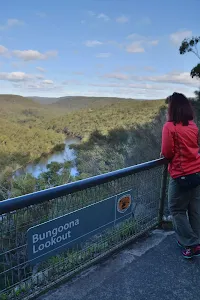
Bungoona Path
918 m Return, 20 mins
Very easy
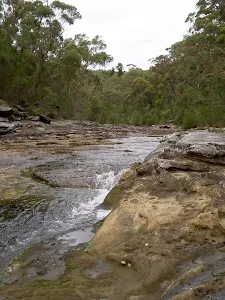
Loftus to Winifred Falls
11 km One way, 4 hrs
Hard track
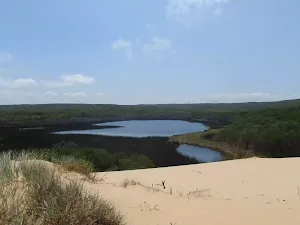
Bundeena Road to Marley
9.7 km Return, 3 hrs 30 mins
Hard track
Deer Pools
3.8 km Return, 1 hr 30 mins
Hard track
Plan your trip to and from the walk here
The Cronulla to Botany Bay Discovery Centre walk starts at the Cronulla Station (gps: -34.055884, 151.15141)



The Cronulla to Botany Bay Discovery Centre ends at the Carpark (gps: -34.005317, 151.22166)
Weather Forecast
This walk starts in the Metropolitan weather district.
Current Alerts
Park Information
Botany Bay National Park
Comments
Short URL: http://wild.tl/ctbbdc