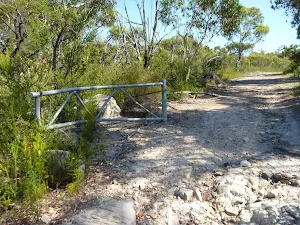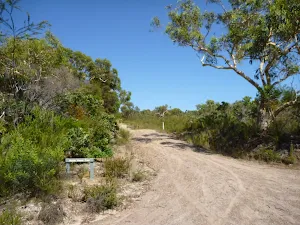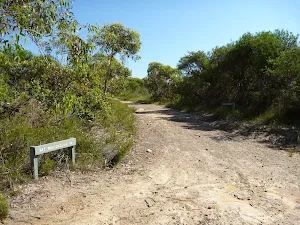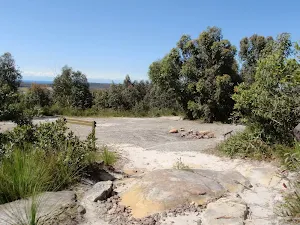
Patonga to Wondabyne station via Mt Wondabyne

Download & Print Map and Notes

Tap again to allow map panning

Time 7 hrs 30 mins
One way 19.5 km One way
Climb 861 m
Grade 4 Hard track
Ferry Train Bus Car
no_pets
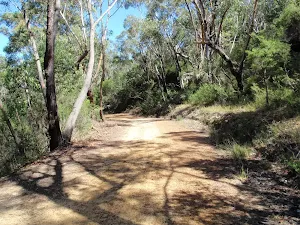
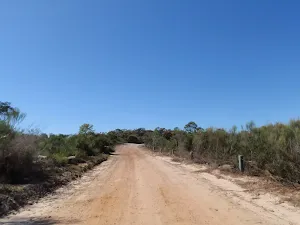
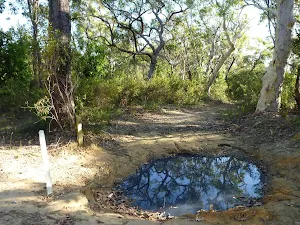
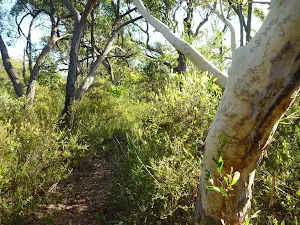
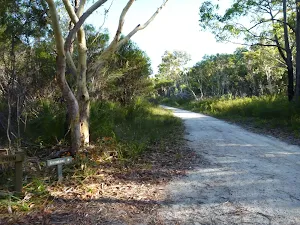
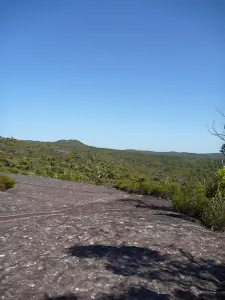
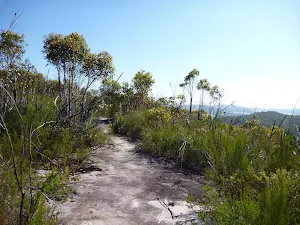
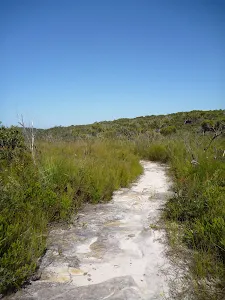
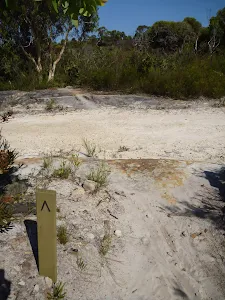
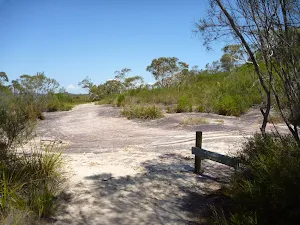
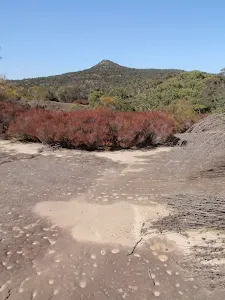
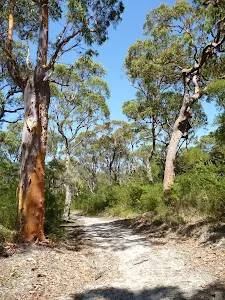
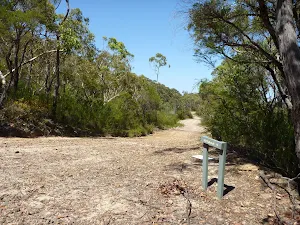
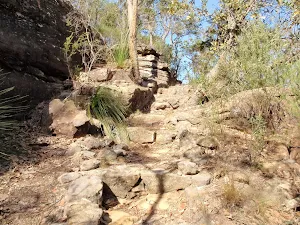
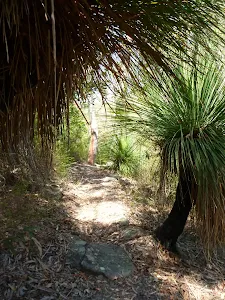
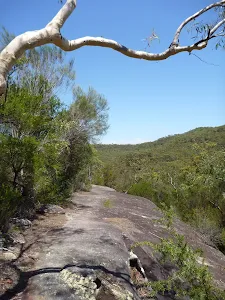
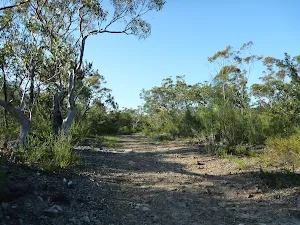
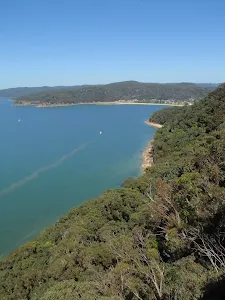
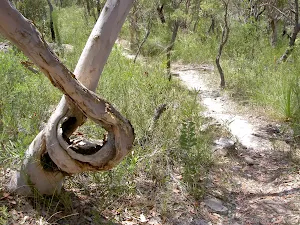
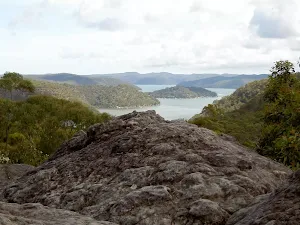
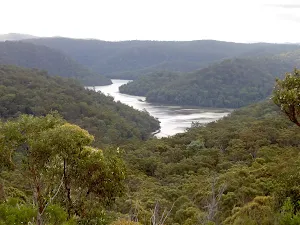
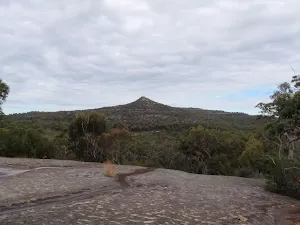
This walk explores some grand views, pleasant cascades, varied bushland and remote areas of Brisbane Waters National Park. From Patonga you will walk up the ridge and take a short side trip to enjoy the wonderful views from Warrah Lookout, before following a series of dirt roads and management trails to Patonga Creek in the heart of the national park. The walk then leads along a mix of trails and tracks mostly passing Mt Wondabyne, a worthwhile side trip, before crossing a few gullies with cool creeks and cascades. Past Myron Brook you will walk back down the waters edge at the remote and unique Wondabyne Train Station.

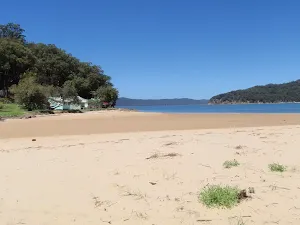
(0km) Patonga Wharf car park → Eastern end of Patonga Beach

distance 530 m time 10 mins climb 14m descent -13m Easy track
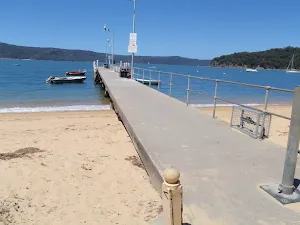
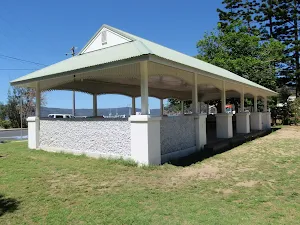
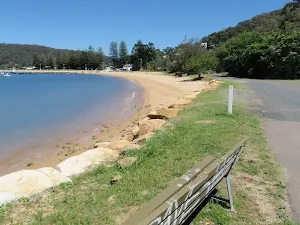
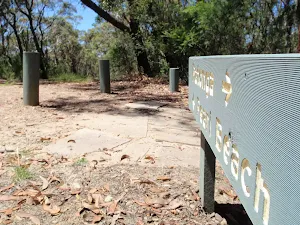
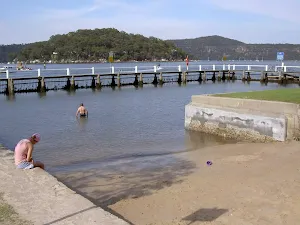
From the car park[1] at Patonga wharf[2], this walk follows the footpath beside Patonga Drive[3], keeping the water on the right. The road leads out of town passing beside 'Eve Williams Memorial Oval'[4][5][6] for 70m to find a large 'The Great North Walk' sign[7] opposite the toilet block[8]. Soon after this sign, this walk turns right following the 'Boat Ramp' sign and GNW arrow post[9] down along a side road[10] for 220m to find a parking area beside Patonga's boat ramp[11]. (Alternatively it is possible to walk along the sandy beach[12] from the wharf to the boat ramp.)
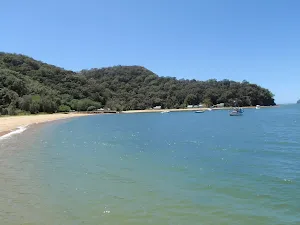
Continue straight: From the boat ramp, this walk follows the power lines across the car park, keeping the water to the right. The walk heads around the gate and continues to follow the power lines across the sand, coming to the eastern end of Patonga Beach and the 'Brisbane Water National Park' sign[13]. This area of the beach is also know as 'Dark Corner'.

(1km) Eastern end of Patonga Beach → Broken Bay View

distance 590 m time 21 mins climb 122m descent 0m Moderate track
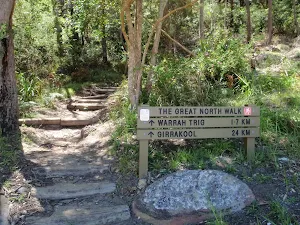
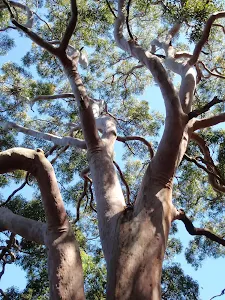
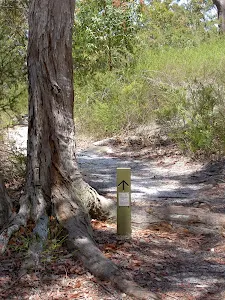
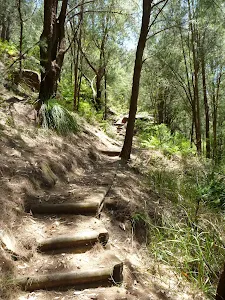
Continue straight: From the eastern end of Patonga beach, this walk follows the 'Warrah Trig 1.7km' sign[15] up the steps. The track winds up the side on the hill, turning left and following the ridge line uphill. Soon after passing up some stairs between the rock, the track comes to a lovely view across the water. Here, the track turns left and climbs up more steps before flattening out and passing a few more GNW arrows. Just after passing two GNW arrows next to each other (at the end of a large crack in the rock), the track passes a few large Sydney Red Gums and comes to an unfenced rock platform on the right - Broken Bay view.

Broken Bay View

Broken Bay View
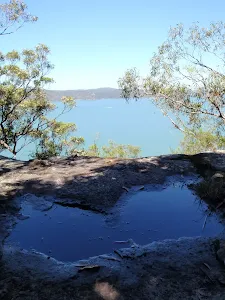
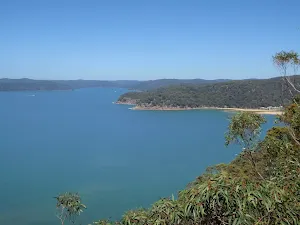
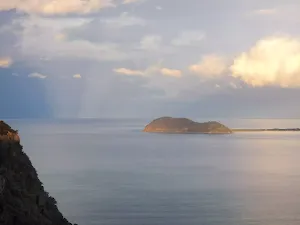
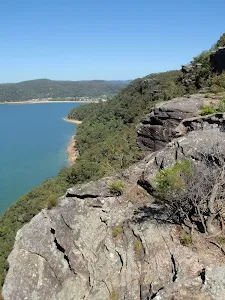
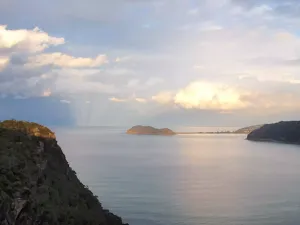
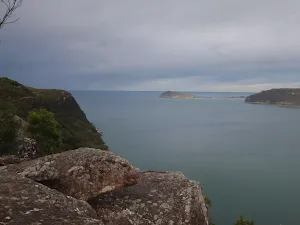
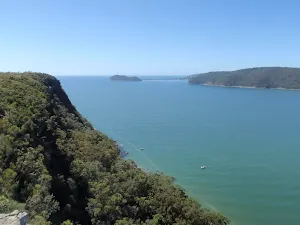
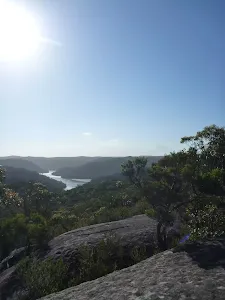
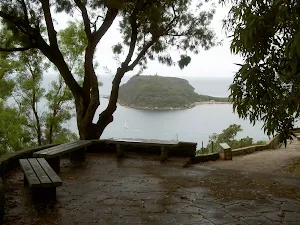
Broken Bay View is an informal, unnamed and unfenced vantage point at the top of the cliffs, east of Patonga. The large rock platform has a number of large Sydney Red Gums, providing some shade. There are great views across the Hawkesbury River, along Cowan Creek and to West Head. The views to the left extend past Lion Island to Barrenjoey Head and out to the Pacific Ocean.

(1km) Broken Bay View → Warrah Lookout intersection

distance 700 m time 15 mins climb 26m descent -26m Moderate track
Veer left: From the Broken Bay view, this walk follows Great North Walk arrows uphill along the track. The track winds gently through the bush, with the occasional water glimpse to the right. After a short time, the track comes to a clear intersection with the Pearl Beach / Patonga fire trail with a sign pointing back to 'Patonga'[16].
Veer right: From the intersection, this walk follows the Great North Walk arrow downhill along the wide management trail. After about 250m, the trail passes a track on the right (marked with 5 large boulders - this informal track leads to an unfenced view). The walk continues along the management trail for another 100m and comes to an intersection near the Warrah Lookout, and a sign pointing back to 'Patonga'[17].

(2km) Warrah Lookout intersection → Warrah Lookout

distance 70 m time 2 mins climb 0m descent -12m Easy track
Turn right: From the intersection, this walk heads between the timber posts and follows the 'Warrah Lookout' sign[18] along the sandstone footpath. The path leads through the bush for a short distance, coming to the fenced Warrah Lookout. (Beware of informal side tracks that lead to unfenced sections of cliff.) At the end of this side trip, retrace your steps back to the main walk then Continue straight.

Warrah Lookout

Warrah Lookout
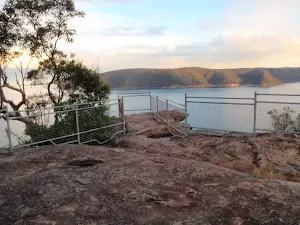
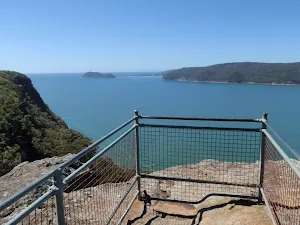
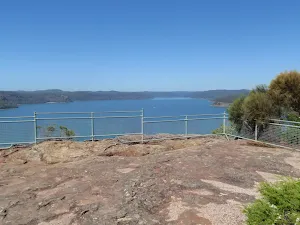
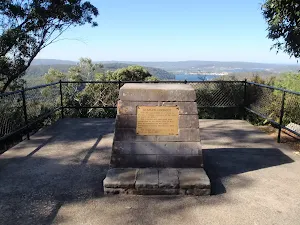
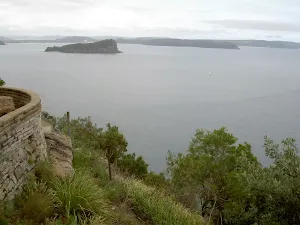
Warrah Lookout is a mostly fenced lookout on a large sandstone platform. The lookout provides fantastic views across the Hawkesbury River. From left to right, you can see along the escarpment which forms the southern boundary of Brisbane Water National Park, out to the Pacific Ocean, Barrenjoey Headland, West Head, along Cowan Creek, Juno Point and along the escarpment to Patonga. This is a great place to spend some time soaking up the views.

(2km) Warrah Lookout intersection → Warrah Trig Station

distance 310 m time 7 mins climb 39m descent 0m Easy track
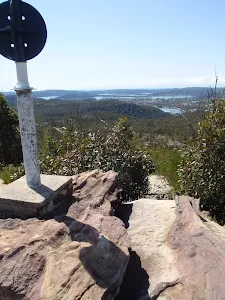
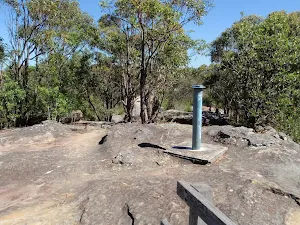
Turn left : From the intersection, this walk follows the 'Tony Doyle Track, Warrah Car Park' sign[19] up the sandstone steps and footpath. After winding through and over some rock platforms, the path leads up the hill to two sets of timber staircases. At the top of the second set, the walk comes to the old Warrah Trig station (a green metal post).

Warrah Trig Station

Warrah Trig Station
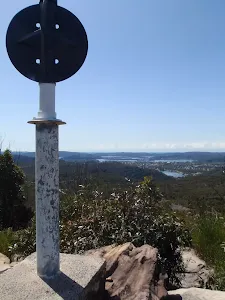
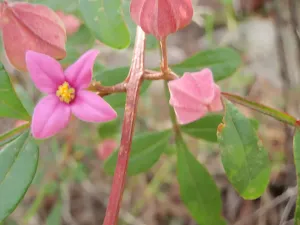
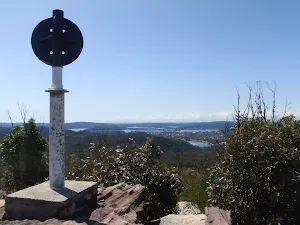
Warrah Trig Station is part of a national geodetic survey established during the 1970's. The 'Triangulation station' (aka trigonometrical or trig station) is a distinct marker once clear of trees, and would have been visible for many kilometers in the area. There are many such trig stations around Australia, which were used to help in surveying. Each station has a know position and altitude, which allows surveyors to use triangulation and determine another point's location. With advances in technology, these trig stations have been abandoned and superseded. The trig station is now surrounded by trees, with some filtered views along the Hawkesbury River[20]. The area is rich with wildflowers in spring.

(2km) Warrah Trig Station → Warrah car park

distance 30 m time 1 mins climb 0m descent 0m Easy track
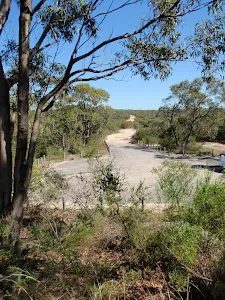
Continue straight: From Warrah Trig Station, this walk follows the sandstone steps and footpath down the hill towards the dirt road. The path soon passes a plaque and a sign pointing back along the 'Tony Doyle Track'[21] and comes to the Warrah car park.

(2km) Warrah Car Park → Int of Warrah Trig Station Rd and Patonga Drive track

distance 1.2 km time 22 mins climb 22m descent -12m Easy track
Continue straight: From Warrah car park, this walk follows the road off the sealed section and along the dirt. The road passes a larger dirt overflow car park, then ignores an old trail (on the right) to soon come to an intersection with a management trail and gate on the left side.
Continue straight: From the intersection, this walk follows the dirt road north up a long and gentle hill. The road leads to an intersection with a track on the right marked with a Great North Walk arrow about 30m before Patonga Drive.

(3km) Int of Warrah Trig Station Rd and Patonga Drive track → Int of Great North Walk and Patonga Dr

distance 280 m time 5 mins climb 3m descent -6m Moderate track
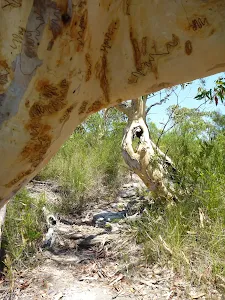
Veer right: From the intersection, this walk follows the GNW arrow marker around the drainage ditch[22] to follow the track running parallel to Patonga Drive (keeping the road about 20m to your left). The track leads through the heath and scribbly gum forest[23] for about 100m before passing some distant ocean views[24] (on your right), where the track continues for another 150m to come to the sealed Patonga Drive[25]. Here the walk follows the GNW arrow post[26] across the road to a locked gate and management trail[27], marked with a 'Great North Walk' sign[28].

(4km) Int of Great North Walk and Patonga Dr → Int of Rest Area and Girrakool tracks

distance 120 m time 2 mins climb 0m descent -4m Easy track
Continue straight: From the intersection, this walk follows the 'Great North Walk' sign[29] around the locked gate[30] to follow the management trail[31] away from the road. After about 100m, this walk comes to a clear three-way intersection[32] marked with sign pointing back to 'Patonga'[33].

(4km) Int of Rest Area and Girrakool tracks → Rest Area

distance 210 m time 3 mins climb 1m descent -7m Moderate track
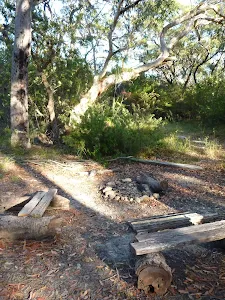
Veer left: From the intersection, this walk follows the 'rest area' sign[34] gently downhill along the management trail. After about 200m, this trail leads to a small camping[35] area at an intersection[36] (and a turning circle on your right). At the end of this side trip, retrace your steps back to the main walk then Turn left.

Patonga rest area

Patonga rest area
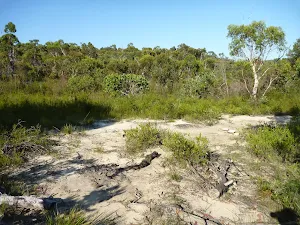
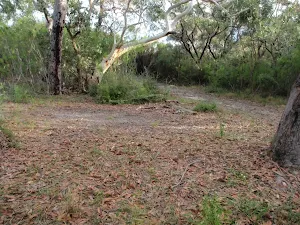
This small campsite is a signposted rest area, and is about 200m off the Great North Walk, just north of Patonga Drive. The campsite is a small, sandy clearing, with no facilities and no water, but it is sheltered by trees.

(4km) Int of Rest Area and Girrakool tracks → Int of Patonga and Girrakool tracks

distance 550 m time 9 mins climb 5m descent -6m Moderate track
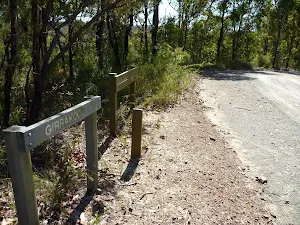
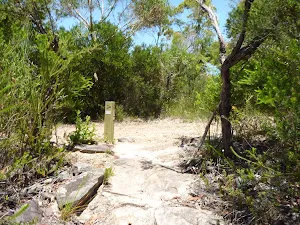
Veer right: From the intersection, this walk follows the 'Girrakool' sign[37] gently up along the wide trail. After about 200m, the trail bends left[38], then leads gently down for another 100m, coming to an intersection[39] where the main trail bends right (and with the narrower Patonga Creek trail ahead), marked with a GNW arrow post[40].
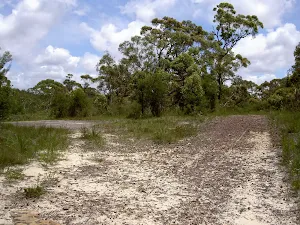
Turn right: From the intersection, this walk follows the GNW arrow post north along the wide sandy management trail. The trail leads among the heath and large scribbly gums[41] for about 270m to come to T-intersection[42] with another wide trail[43], marked with a 'Patonga' sign[44] pointing back up along the trail.

(4km) Int of Hawkesbury track and Patonga Dr trail → Int of Hawkesbury track and Sani Depot Trail

distance 1.3 km time 24 mins climb 25m descent -45m Moderate track
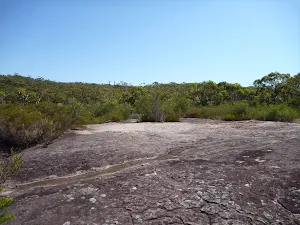
Turn left: From the intersection, this walk follows the 'Girrakool' sign[45] downhill along the management trail. Over the next 200m, the trail gently bends right then comes to an intersection (just before a large open rock platform[46]), marked with a 'Girrakool' sign[47] (pointing right).
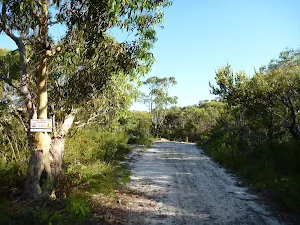
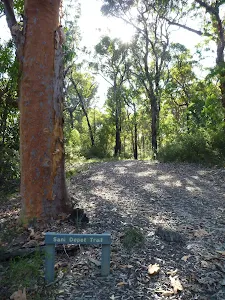
Turn right: From the intersection, this walk follows the 'Girrakool' sign[48] east uphill along the management trail[49]. The trail leads up the hill for about 25m to head over a short rock platform[50] where the trail continues fairly steeply uphill. The trail bends left[51] and then winds gently around the side of the hill[52], enjoying some views[53] along the way. The trail undulates for a while before leading gently down to pass a large clearing[54] (on your left). Just past this clearing, the trail heads down (fairly steeply at first) for about 200m to enter a tall wooded forest and come to a clear three-way intersection, marked with a 'Sani Depot Trail' sign[55] (on your right).

(6km) Int of Hawkesbury track and Sani Depot Trail → Int of Hawkesbury track and Van Dahls rest area track

distance 750 m time 13 mins climb 2m descent -32m Moderate track
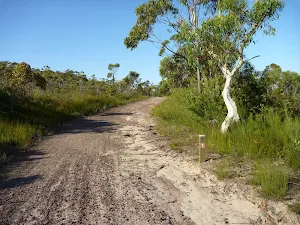
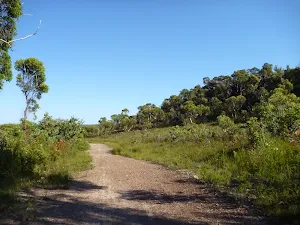
Continue straight: From the intersection, this walk follows the GNW arrow post[56] downhill along the wide trail. The trail soon leaves the tall Sydney Redgums[57] to lead down for almost 600m. The walk crosses a culverted creek[58] (with sandstone blocks[59]) and then the trail mostly flattens out[60]. Here the trail continues for another 170m leaving the tall forest to walk through the open heath[61], passing near a small cliff (on your right), to come to an intersection with the faint track[62] (on your left, this is just before the main trail bends right and starts to lead downhill again).

(6km) Int of Hawkesbury track and Van Dahls rest area track → Van Dahls rest area

distance 160 m time 3 mins climb 0m descent -13m Hard track
Turn left : From the intersection, this walk follows the narrow, faint track south-west over a small water bar[63], then gently downhill. The walk continue down towards the valley[64] for about 120m to come to a small clearing[65], the Van Dahls campsite. This clearing is just before a small ephemeral creek which flows over a sandstone platform[66]. At the end of this side trip, retrace your steps back to the main walk then Turn left.

Van Dahls rest area

Van Dahls rest area
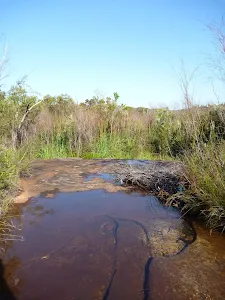
The Van Dahls campsite is unsignposted and sits beside a small intermittent creek that flows over a rock platform[67]. The water should be treated before use, and is not reliable all year round. There are no facilities at the campsite, but is a a very pleasant flat area in a mostly open valley.

(6km) Int of Hawkesbury track and Van Dahls rest area track → Rock Platform

distance 590 m time 12 mins climb 19m descent -24m Moderate track
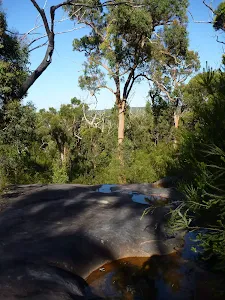
Continue straight: From the intersection, this walk follows the wide trail downhill[68], keeping the valley to your left. The trail winds downhill for almost 600m, crossing a couple of culverted creeks[69][70], until, just after a left-hand bend, this walk comes to a noteable rock platform[71] (with an ephemeral creek) and filtered view down the valley (to your left)[72].

(7km) Rock Platform → Int of Hawkesbury track near Patonga Creek

distance 520 m time 12 mins climb 24m descent -27m Moderate track
Continue straight: From the rock platform, this walk follows the trail north up the side of the hill. The trail leads uphill for about 25m before bending left and leading downhill[73] for about 80m, where the trail winds through a ferny valley[74] with a scattering of cabbage palms[75] (Livistona australis). Here the trail leads quite steeply uphill[76] for about 200m, then more gently downhill for just over 200m more, to come to a Y-intersection[77] with the signposted 'Great North Walk' track[78] (on your left). (The trail ahead soon leads over Patonga Creek[79] to the locked back[80] gate of Woy Woy Landfill).

(8km) Int of Hawkesbury track near Patonga Creek → Woy Woy landfill view

distance 440 m time 13 mins climb 53m descent -12m Hard track
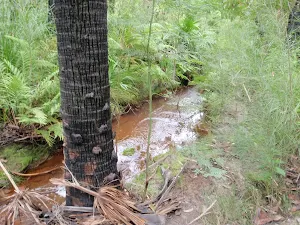
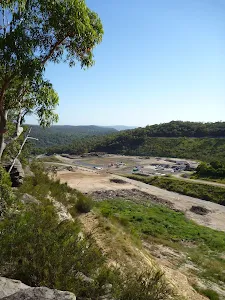
Turn left: From the intersection, the walk follows the 'Great North Walk' sign[81] downhill along the track. After just shy of 100m, the track crosses Patonga Creek[82] among the moist cabbage palm[83] forest. Soon after crossing this creek, the track begins to head quite steeply uphill[84] for another 100m, passing a faint side track[85] before climbing up some carved steps[86] in the rock beside a sloped rock platform (on your left)[87]. The track continues steeply up for another 40m, where the track bends right (at the GNW arrow post)[88] to head over a mostly flat rock outcrop. The track continues (with occasional glimpses of the Woy Woy landfill[89]) gently uphill for just over 100m to pass another side track[90], then lead up a bit more steeply[91] for just over 100m more (past a rock wall[92], on your left) to come to an unfenced clear view over Woy Woy landfill[93] (where the track bends left[94]).

(8km) Woy Woy landfill view → Int of Hawkesbury Track and Dillons Trail

distance 1.8 km time 39 mins climb 75m descent -74m Hard track
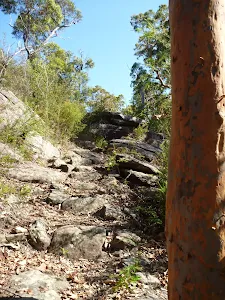
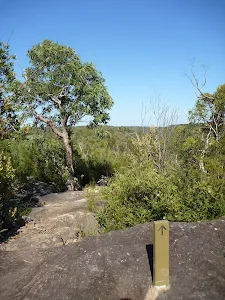
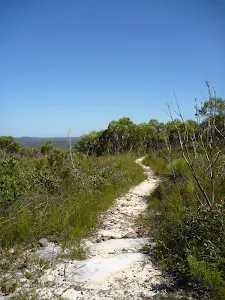
Veer left: From the view point over Woy Woy Landfill[95], this walk heads west following the rocky track uphill, directly away from the view. The sandy track[96] soon leads up a few rock steps[97] and after about 130m, climbs up a few carved steps[98] onto a fairly large rock platform[99], marked with a GNW arrow post[100]. The track now undulates, following a series of GNW arrow posts (generally up) along a rocky ridge line[101], passing over many rock platforms[102] for almost 1km (enjoying the distant views[103][104] over Woy Woy Bay and the Brisbane Water, to your right) to come to the highpoint on this section of track[105]. From here, the track continues mostly flat for the next 500m, then begins to head downhill for about 300m to come to a clear intersection[106] with the signposted 'Dillons Trail'[107]. There is a sign pointing back up the track towards 'Patonga'[108].

(10km) Int of Hawkesbury Track and Dillons Trail → Int of Tunnel Track and Mt Wondabyne trail

distance 650 m time 12 mins climb 23m descent -9m Moderate track
Continue straight: From the intersection, this walk follows the GNW arrow post west[109] (in the opposite direction to the 'Patonga' sign[110]. After about 20m, this short track leads to an intersection with the signposted 'Tunnel Trail'[111].
Turn right: From the intersection, this walk follows the GNW arrow post[112] gently uphill along the 'Tunnel Trail'. After about 50m, the trail passes through a metal gate[113] and fence then continues for just over 100m to come to the signposted intersection with the 'Rocky Ponds Trail'[114], where a 'Patonga' sign[115] points back down along the trail.
Continue straight: From the intersection, this walk follows the GNW arrow marker and the 'Girrakool' sign[116] north, gently uphill along the wide trail. The trail winds along the side of the hill for just over 450m, to come to a small crest[117] and a clear three-way intersection with the signposted 'Mt Wondabyne' trail[118] (on the left).

(10km) Int of Tunnel Track and Mt Wondabyne trail → Mt Wondabyne Campsite

distance 760 m time 16 mins climb 49m descent 0m Moderate track
Turn left: From the intersection, this walk follows the GNW arrow marker as well as the 'Mt Wondabyne'[119] and 'Girrakool'[120] signs uphill along the management trail. The trail winds up the hill for about 300m find a view of Mount Wondabyne[121] - there are also nice views behind (and to the right) across Woy Woy and the Brisbane Water[122]. The trail continues uphill for another 400m to end at a large clearing[123] (turning circle) at the base of a rock wall. This is the Mt Wondabyne Campsite[124] - there is also a sign pointing back down to 'Patonga'[125].

Mt Wondabyne Campsite

Mt Wondabyne Campsite
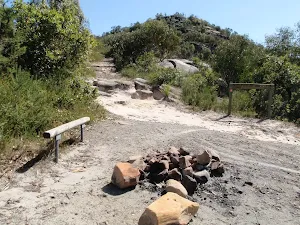
This basic campsite is found at the end of a management trail, near the base of Mt Wondabyne. The campsite is at the bottom of a small (east facing) rock wall and has trees surrounding much of the area, providing some shelter. There is an established fire circle and a basic seat. There is no water or other facilities. (There is also small cave suitable for sleeping a few people about half way up Mount Wondabyne).

(11km) Mt Wondabyne Campsite → Int of Great North Walk and Mt Wondabyne Peak tracks

distance 90 m time 2 mins climb 6m descent 0m Moderate track
Turn right: From the clearing (campsite), this walk follows the 'Mooney Mooney rest area' sign[126] north gently uphill along the rocky track[127]. After about 90m, this track comes to a three-way intersection[128] (with the Mt Wondabyne peak track, on the right[129]), marked with a GNW arrow post.

(11km) Int of Great North Walk and Mt Wondabyne Peak tracks → Mt Wondabyne Peak

distance 210 m time 5 mins climb 20m descent -1m Hard track
Turn right: From the intersection, this walk follows the Mt Wondabyne peak track north-east as it heads uphill directly towards Mt Wondabyne. The track is leads gently at first then starts to climb up a series of rock ledges[130]. After about 60m, the track passes a small cave[131] (large enough for 2 or 3 people to lie in). The track then continues to climb for another 90m, up the rocky track then for through a grove of small trees[132], to come to the first peak[133]. The faint track continues along the ridge for another 60m then comes to the main peak, where there is an old trig station[134] and great panoramic views[135]. At the end of this side trip, retrace your steps back to the main walk then Turn right.

Mt Wondabyne

Mt Wondabyne
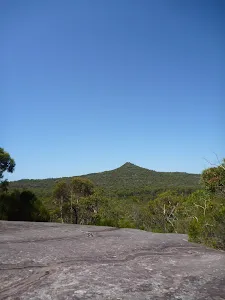
Mount Wondabyne is one of the most prominent peaks in Brisbane Water National Park. The long cone-shaped hill has a rocky top and is home to a trig station. Walkers can enjoy full 360-degree panoramic views from the top. To the east are good views over the Brisbane Water, Woy Woy and other central coast suburbs. West, down next to Mullet Creek, you can see some buildings near Wondabyne Station and the train line. Otherwise, most of the expansive views are over much of Brisbane Water National Park. There are some small trees providing limited shade, a great place to soak up the views.

(11km) Int of GNW and Mt Wondabyne Peak tracks → Int of GNW and Mullet Creek Trail

distance 950 m time 21 mins climb 11m descent -109m Hard track
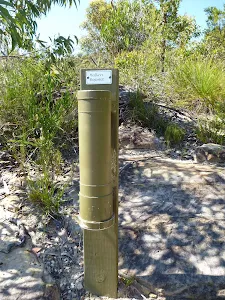
Continue straight: From the intersection, this walk follows the GNW arrow post north, gently down along the rocky track[136], keeping the Mt Wondabyne Peak up to your right. After about 50m, the track enters a forest of trees[137] and begins to head more distinctly downhill, passing a few large boulders[138] for about 700m, then coming to a GNW 'Walker Register' tube[139] on a post. After writing a comment, the walk continues down the track over a rock platform[140], and just past the rock platform[141] the sandy track leads downhill for about 200m as it widens significantly[142] and comes to a T-intersection[143] with another wide trail. There is a 'Mt Wondabyne' sign[144] here, pointing back up the hill.

(12km) Int of GNW and Mullet Creek Trail → Int of GNW and Thommos Loop trail

distance 1 km time 22 mins climb 54m descent -29m Moderate track
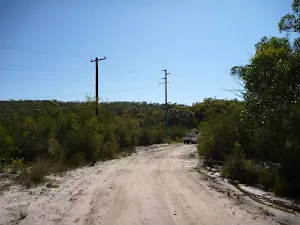
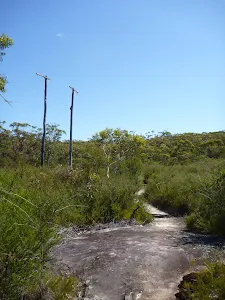
Turn right: From the intersection, this walk follows the GNW arrow post and 'Wondabyne Station' sign[145] down a gentle hill as the trail bends right. The trail leads downhill and bends again to run parallel with the some power lines[146]. Then about 35 meters past the second power pole, this walk comes to an intersection with a track[147] (on your left), marked with a GNW arrow post.
Turn left: From the intersection, this walk follows the 'Girrakool' sign[148], heading under the power lines and down along the track to soon cross a small ephemeral creek[149]. From the creek, this walk follows a rock platform[150] for about 200m to then head over a section of timber boardwalk[151] and past a few disused power poles[152]. The track soon begins to climb and crosses a number or rock platforms[153] for about 300m to come to a notably large rock platform[154] with a wide view across the valley to Mt Wondabyne[155]. Here the track continues up for another 250m to an intersection[156] with a wide trail (at another rock platform), where a 'Patonga' sign[157] points back down along the track.

(13km) Int of GNW and Thommos Loop track → Int of the Great North Walk and Patonga service trail

distance 1.5 km time 28 mins climb 34m descent -54m Moderate track
Veer left: From the intersection, this walk follows the 'Girrakool' sign[158] across the rock platform, keeping the valley to your left. The walk enjoys views of Mt Wondabyne[159] (on the left) for about 130m to come to a particularly large rock platform[160]. Here the trail leads down[161] off this rock platform then winds along the side of the hill for about 1.3km (passing a pleasant grove of large Sydney Redgums[162]) to lead up to an intersection[163] (with a track on the left) where there is a sign pointing back to 'Patonga'[164].

(15km) Int of the Great North Walk and Patonga service trail → Kariong Brook crossing

distance 690 m time 24 mins climb 21m descent -122m Hard track
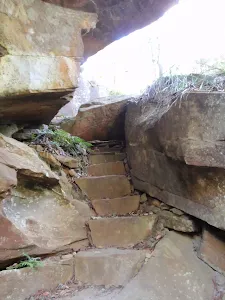
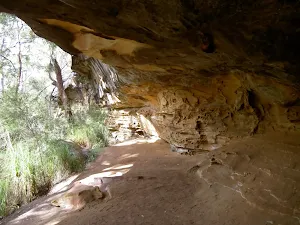
Veer left: From the intersection, this walk follows the 'Girrakool' sign[165] gently down along the narrower track. The track leads down for about 60m to pass over a rock outcrop[166] and then 80m later, comes to a clearing that has been used as a campsite[167] (on your left). From the clearing, the track continues down the hill for about 150m, stepping down the rocks[168] and along a sandy track[169] to then bend right at metal handrail[170]. Here the rocky track becomes quite steep in places and winds down past some rock walls[171] and among the grass trees[172] for about 300m, where the track bends sharp right at the bottom of some steps in a cleft in the rock[173]. The track continues down for another 100m to follow the steps down through the sandstone overhang[174], here the track bends left then right to wind down and cross the creek (that is often underground) and come to an intersection with a faint track in front of Kariong Brook Falls[175] (on your right).

Kariong Brook Falls

Kariong Brook Falls
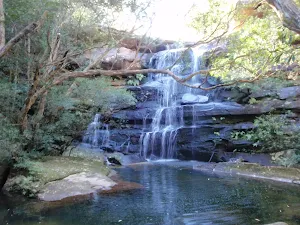
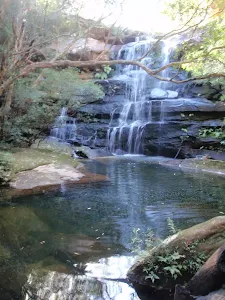
This tranquil spot of the Great North Walk is home to some lovely falls and a water hole. The eastern side of the creek has a tall sandstone cave and wall. After rain these falls can become very spectacular, other times is a cool place to rest. A great spot to stop for a snack.

(15km) Kariong Brook crossing → Myron Brook crossing

distance 400 m time 11 mins climb 33m descent -28m Hard track
Continue straight: From the Kariong Brook, this walk follows the track north-west away from the cliffs (initially keeping the waterfall to your right). The track initially leads fairly steeply[176] out of the densely forested valley[177] then leads more gently uphill for about 100m to pass alongside a long rock wall[178] (on your right). From the end of the rock wall, the track starts to lead downhill[179] for about 200m, to then head down the embankment and steps[180] and cross Myron Brook on the sandstone rock platform[181], to the western bank.

(16km) Myron Brook crossing → Int of GNW and Wondabyne Station Trail

distance 1.6 km time 36 mins climb 178m descent -36m Hard track
Continue straight: From Myron Brook, this walk follows the rocky track west up the steep hill[182]l. After about 400m of steep climbing, the track mostly flattens out to head up through the cleft[183] in a rock and onto a flat rock platform[184]. Here the track continues more gently uphill, crossing more rock platforms for just over 1km, through the heath and scribbly gums[185], before bending left around a rocky outcrop[186] to come to a T-intersection[187] with a wide management trail. There is large sign here, pointing back down to 'Patonga'[188].

(17km) Int of GNW and Wondabyne Station tracks → Eastern end of the Pindar Cave Track

distance 630 m time 11 mins climb 5m descent -19m Moderate track
Turn left: From the intersection, this walk follows the 'Wondabyne Station' sign[189] downhill along the management trail[190]. The trail gently undulates along the top of the ridge for about 600m to come to an intersection with the Pindar Cave track (leading over a rock platform[191], on your right), marked with a GNW arrow post[192] (on your left).

(18km) Eastern end of the Pindar Cave Track → Clearing above Wondabyne Station

distance 1 km time 19 mins climb 3m descent -72m Hard track
Continue straight: From the intersection[193], this walk follows the GNW arrow post south, gently down along the wide management trail. The trail soon bends right and leads quite steeply down[194] before mostly flattening out again[195]. From here, the trail leads gently downhill for about 600m until the trail bends left and leads quite steeply down[196] for just shy of 250m to come to a clearing at the end of this management trail[197], marked with a 'Brisbane Water National Park' sign[198].

(19km) Clearing above Wondabyne Station → Wondabyne Station

distance 440 m time 13 mins climb 15m descent -100m Hard track
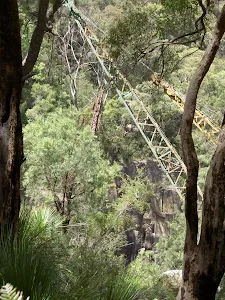
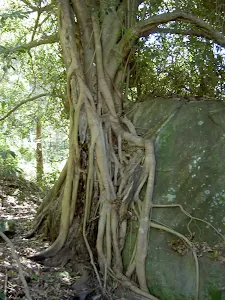
Continue straight: From the clearing[199], this walk follows the GNW arrow post[200] south, down along the track to head down some carved steps through a cleft in a rock[201]. The track winds steeply down the series of rock steps[202] for about 150m to pass a filtered view (left) of the cranes[203], down at the old Gosford Quarry. The track continues to wind down, a little less steeply, for just over 200m to then climb down a timber staircase[204] (which starts with a metal landing at the top). From the bottom, the walk continues down towards the train line, soon bending left to pass a large boulder[205] and strangler fig tree[206] and come to the north-bound platform of Wondabyne Train Station[207].

Wondabyne

Wondabyne
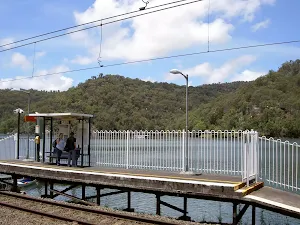
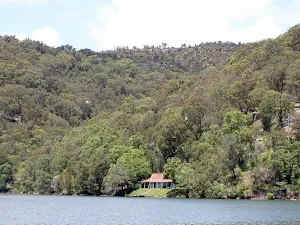
Wondabyne is situated in Brisbane Waters National Park on the banks of Mullet River, which feeds into the Hawkesbury River north of Brooklyn. The area is defined by the National Park's flora and fauna, the quarry, railway station and a few houses sitting above the water around the river. The quarry produced sandstone building materials, used in the construction of the National War Memorial in Canberra. More recently, in 2000, the quarry was re-opened for restoration of St Mary's Cathedral spire in Sydney. Wondabyne Station, named after the nearby Mt Wondabyne, was built in 1889 and exclusively used for the quarry - it was then known as Mullet Creek Station. The station is one of the smallest on the line and one of very few railway stations in a NSW National Park. When you catch the train to Wondabyne, let the guard know you want to get off at Wondabyne Station, otherwise the train will not stop. Travel in the last carriage as the platform is very short. To catch the train from Wondabyne, wave to the driver.

Maps for the Patonga to Wondabyne station via Mt Wondabyne walk

You can download the PDF for this walk to print a map.
These maps below cover the walk and the wider area around the walk, they are worth carrying for safety reasons.

Gosford1:25 000 Map Series91312S GOSFORDNSW-91312S
Broken Bay1:25 000 Map Series91301N BROKEN BAYNSW-91301N
Ku-ring-gai Chase National Park Tourist Map1:40 000 Map SeriesCMA Ku-ring-gai Chase National Park Tourist MapCMA Ku-ring-gai Chase National Park Tourist Map
Gosford1:100 000 Map Series9131 GOSFORD9131
Sydney1:100 000 Map Series9130 SYDNEY9130

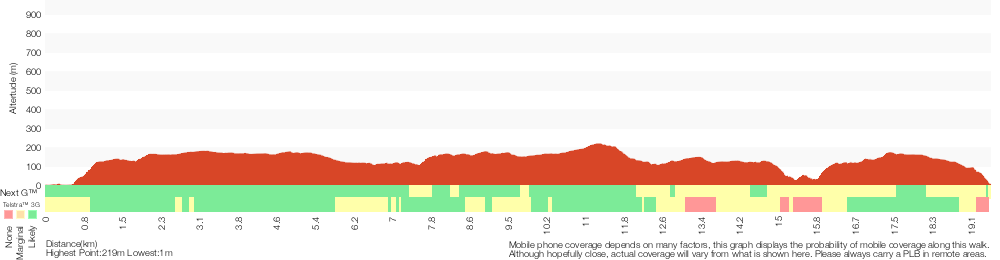
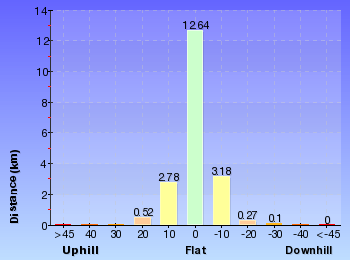
Cross sectional view of the Patonga to Wondabyne station via Mt Wondabyne bushwalking track

Terrain profile for Patonga to Wondabyne station via Mt Wondabyne

Analysis and summary of the altitude variation on the Patonga to Wondabyne station via Mt Wondabyne

Altitude analysis for Patonga to Wondabyne station via Mt Wondabyne

Overview of this walks grade – based on the AS 2156.1 – 2001

Under this standard, a walk is graded based on the most difficult section of the walk.

Length19.5 km
Time7 hrs 30 mins
.


Grade 4/6


Hard track
AS 2156.1GradientVery steep (4/6)
Quality of trackRough track, where fallen trees and other obstacles are likely (4/6)
SignsMinimal directional signs (4/6)
Experience RequiredSome bushwalking experience recommended (3/6)
WeatherStorms may impact on navigation and safety (3/6)
InfrastructureLimited facilities (such as cliffs not fenced, significant creeks not bridged) (4/6)

Some more details of this walks Grading

Here is a bit more details explaining grading looking at sections of the walk

Gradient

7km of this walk has short steep hills and another 7km has gentle hills with occasional steps. Whilst another 4.2km is very steep and the remaining 1.3km is flat with no steps.

Quality of track

12km of this walk follows a clear and well formed track or trail and another 6km follows a rough track, where fallen trees and other obstacles are likely. The remaining (1.7km) follows a formed track, with some branches and other obstacles.
Signs

14km of this walk has directional signs at most intersection and another 4.4km is clearly signposted. The remaining (1.1km) has minimal directional signs.

Experience Required

Around 12km of this walk requires no previous bushwalking experience, whilst the remaining 8km requires some bushwalking experience.

weather

Around 19km of this walk is not usually affected by severe weather events (that would unexpectedly impact safety and navigation), whilst the remaining 690m is affected by storms that may impact your navigation and safety.

Infrastructure

12km of this walk is close to useful facilities (such as fenced cliffs and seats) and another 7km has limited facilities (such as not all cliffs fenced). The remaining (440m) has limited facilities (such as cliffs not fenced, significant creeks not bridged).

Similar walks

A list of walks that share part of the track with the Patonga to Wondabyne station via Mt Wondabyne walk.
Other Nearby walks

A list of walks that start near the Patonga to Wondabyne station via Mt Wondabyne walk.

Weather Forecast

This walk starts in the Hunter weather district.
Current Alerts

Park Information

Brisbane Water National Park

Brisbane Waters National Park is situated south west of Gosford perched on the Hawkesbury River. The park is characterised by sandstone features, Aboriginal engravings, flowery heaths, bird life and spectacular water views. Brisbane Waters NP has many bushwalks through the are with the Great North Walk passing through the middle of the park.

Comments