Mouat Trail (Katandra to Rumbalara)

Download & Print Map and Notes

Tap again to allow map panning

Time 2 hrs
One way 4.1 km One way
Climb 139 m
Grade 4 Hard track
Car
no_pets
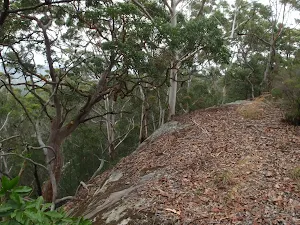
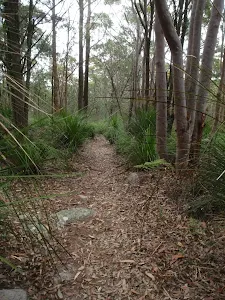
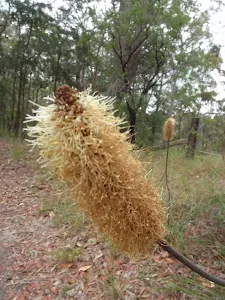
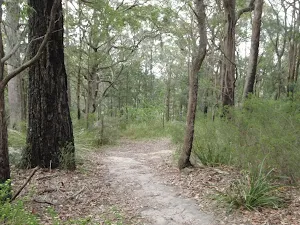
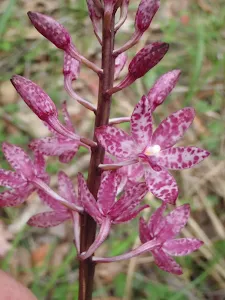
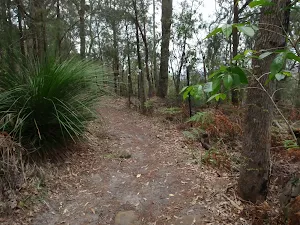
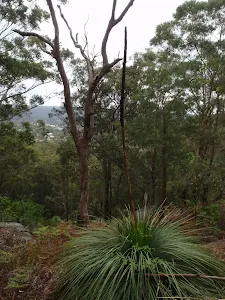
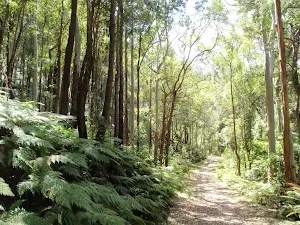
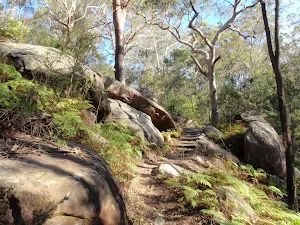
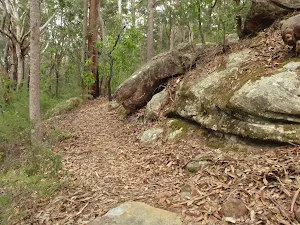
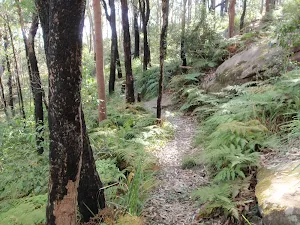
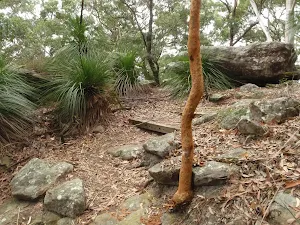
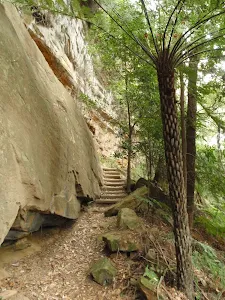
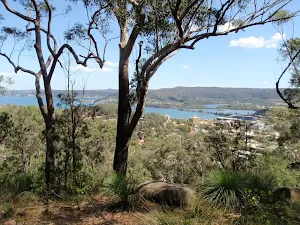
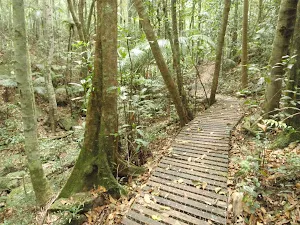
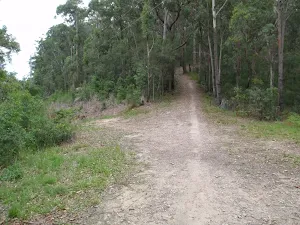
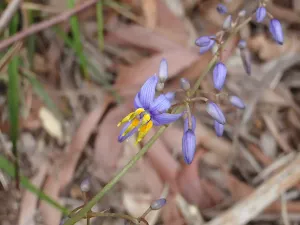
This walk follows a series of tracks and management trails along the top of the ridge between Katandra and Rumbalara Reserves. You will at times think you are a million miles from anywhere and other times enjoy views across the suburbs of the Central Coast and out to sea. In spring and early summer, you will discover many wildflowers. There are a few picnic tables with views, great spots for a snack and a rest on your walk.

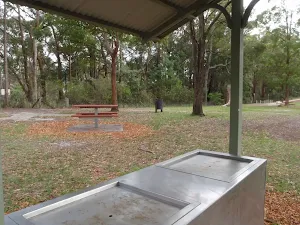
St Johns Lookout picnic area

St Johns Lookout picnic area
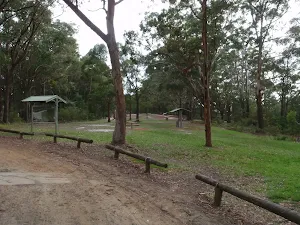
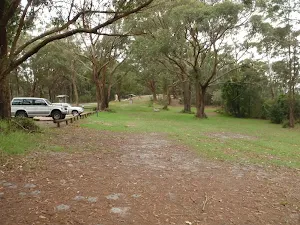
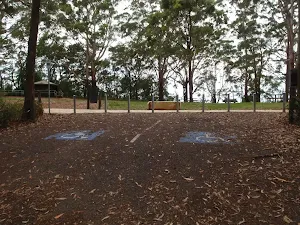
St Johns Lookout picnic area is a large open area found at the top of Katandra Reserve on Toomeys Rd. The picnic area provides wheelchair accessible toilets[2], picnic tables[3], free electric BBQ's[4], parking areas[5] [6] and information boards[7]. There is plenty of open space with some natural shade provided by the surrounding trees. There are garbage bins provided[8] but no drinking water[9].

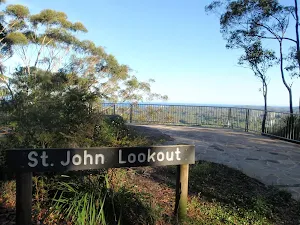
St Johns Lookout

St Johns Lookout
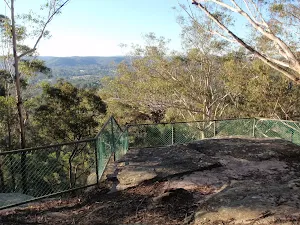
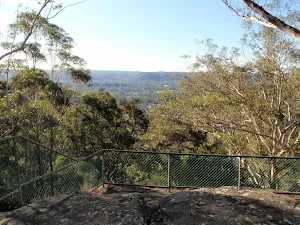
This fenced lookout is found at the top of Katandra Reserve, near the toilets. The lookout was upgraded by Gosford Council in September 2009 and now provides a safer platform and easier access. From the lookout, there are extensive views south-east over Matcham, Erina Heights and Terrigal, out to the ocean. The Guringai Walk passes below the lookout - please take extra care to not drop anything from the platform.

(0km) St Johns Lookout car park → Int of Graves and Mouat Walks

distance 150 m time 3 mins climb 2m descent -6m Easy track
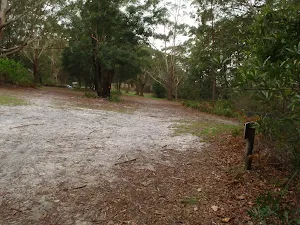
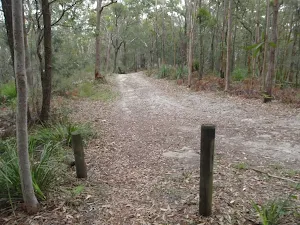
From the car park, this walk heads across the clearing away from the main picnic area (keeping the road up the hill to the right). The walk soon comes to an intersection and a 'Guringai walk' sign.
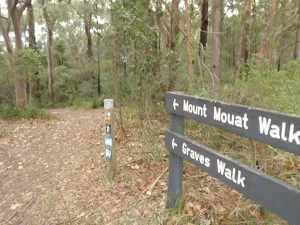
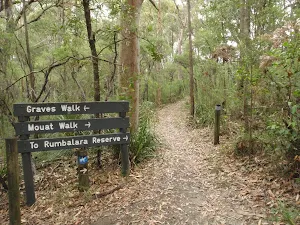
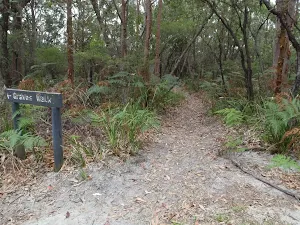
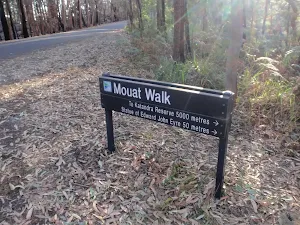
Continue straight: From the intersection, this walk heads through the clearing towards the 'Mount Mouat Walk' and 'Graves Walk' signs[11]. At these signs, the walk heads left, out of the clearing and down the track for a short distance to the signposted intersection with 'Graves Walk' and 'Mouat Walk'[12].

(0km) Int of Graves and Mouat Walks → Int of Graves Walk and Maidens Brush management trail

distance 240 m time 5 mins climb 7m descent -7m Easy track
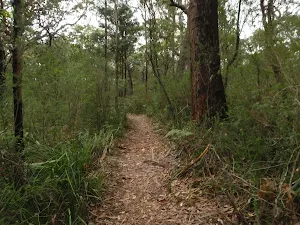
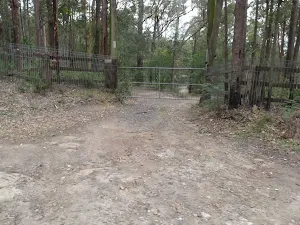
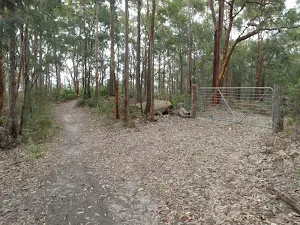
Continue straight: From the intersection, this walk follows the 'Mouat Walk' and 'To Rumbalara Reserve' signs along the track, keeping the valley to the left. The track soon comes to a four-way intersection, with a 'Graves Track' sign and a gate visible (up the hill to the right).

(0km) Int of Graves Walk and Maidens Brush management trail → Int of Mouat and Toomeys Rd Trails

distance 810 m time 18 mins climb 29m descent -68m Moderate track
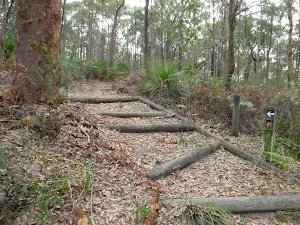
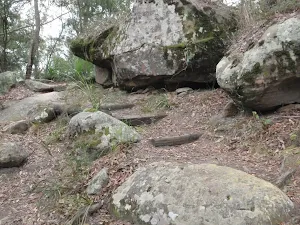
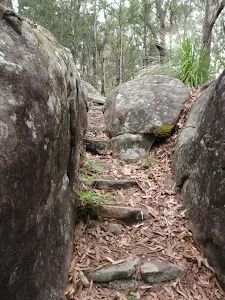
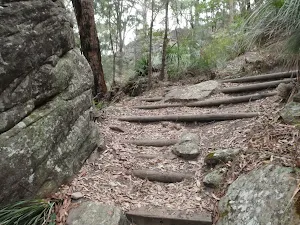
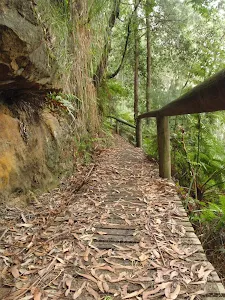
Continue straight: From the intersection, this walk follows the track from behind the 'Graves Walk' sign, initially keeping the gate up the hill to the right. The track winds through the bush, crossing a small rock platform (and ignoring the side tracks), then heads down a series of timber steps. The trail winds past a few large rocks then winds up the hill to come into view of (and run parallel to) the Toomeys management trail. The track then passes over another rocky outcrop (beware of the cliff drop on the left), then down some steps to come to the wide Toomeys Management trail and an arrow pointing back up the steps.

(1km) Int of Mouat and Toomeys Rd Trails → Top of Clyde Rd trail

distance 570 m time 11 mins climb 16m descent -12m Moderate track
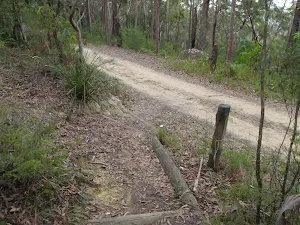
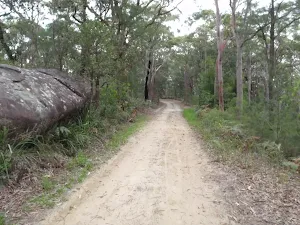
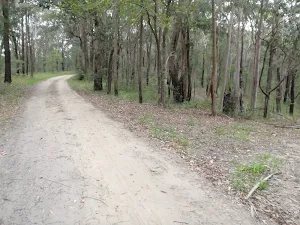
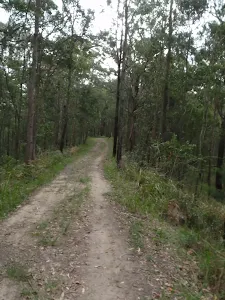
Turn left: From the intersection, this walk follows the wide management trail, keeping the valley down on the right. The trail soon bends left then, approximately 200m later, passes a stockpile of dirt and rocks (on the right). About 250m later, the trail passes a locked gate of a private residence and, just after the gate, comes to an intersection at the top of the Clyde Rd Trail.

(2km) Top of Clyde Rd trail → Pond intersection

distance 80 m time 1 mins climb 3m descent 0m Moderate track
Continue straight: From the intersection, this walk follows the upper trail south, keeping next to the fence on the right. The trail soon bends right, leaving the power lines and coming to an intersection with a track (on the left), near the corner of the fence and above a small pond (on the right).

(2km) Pond intersection → Erina Trig

distance 90 m time 2 mins climb 5m descent 0m Moderate track
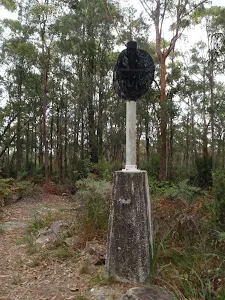
Turn left: From the intersection, this walk follows the arrow up the steps away from the fence. The track gently winds up the hill to the Erina Trig station, surround by trees.

Erina Trig

Erina Trig
Erina Trig station is part of a national geodetic survey established during the 1970's. The 'Triangulation station' (aka trigonometrical or trig station) is a distinct marker which was once clear of trees and would have been visible for many kilometers in the area. There are many such trig stations around Australia, used to help in surveying. Each station has a know position and altitude which allows surveyors to use triangulation to determine another point's location. With advances in technology, these trig stations have been superseded and abandoned. More info.

(2km) Erina Trig → Int of trig track and Toomeys Rd trail

distance 120 m time 2 mins climb 0m descent -11m Moderate track
Continue straight: From the trig point, this walk follows the track south-west down the hill, soon coming to an intersection with Toomeys Rd management trail.

(2km) Int of trig track and Toomeys Rd trail → Mouat trail picnic table

distance 480 m time 10 mins climb 6m descent -41m Moderate track
Veer left: From the intersection, this walk heads south-west, down along the management trail, and soon follows a fence, on the right. The trail winds down the hill (steeply in one spot), generally next to the fence, until coming to a locked gate (on the right).
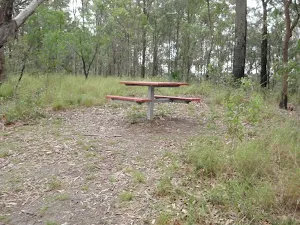
Continue straight: From the gate, this walk follows the narrower track, keeping the fence to the right. The track soon turns right (at the corner fencepost) and continues alongside the fence, passing a bench seat and unfenced view on the left. The track continues to follow the fence and soon passes another locked gate (and passes close to the management trail). Following the fence, the track soon comes to a picnic table and an unfenced view across the valley.

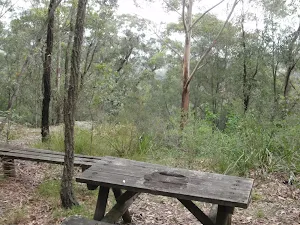
Mouat trail picnic table

Mouat trail picnic table
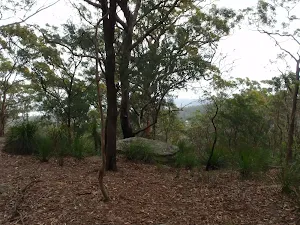
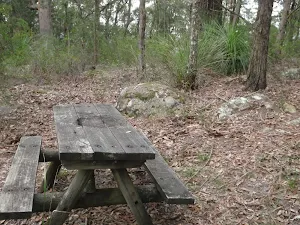
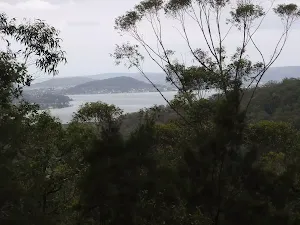
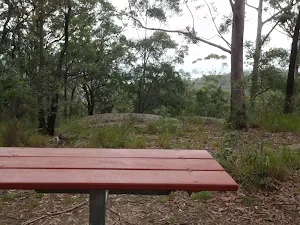
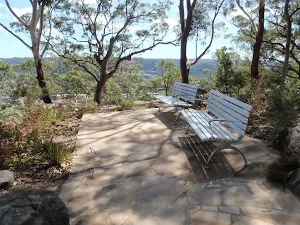
Mouat trail picnic table is found about halfway along the Mouat trail. There is an old picnic table and bench seat at the top of an unfenced cliff with filtered views over Springfield East Gosford and the Brisbane Water. A nice spot for a snack and rest.

(3km) Mouat trail picnic table → Locked gate

distance 90 m time 2 mins climb 0m descent -7m Moderate track
Continue straight: From the picnic table, this walk follows the track, keeping the fence to the right. The track keeps next to the fence until bending left around a rocky outcrop then down some stairs, coming to a management trail just below a locked gate.

(3km) Locked gate → Saddle intersection

distance 180 m time 3 mins climb 3m descent -8m Moderate track
Veer left: From the intersection, this walk follows the wide management trail downhill, away from the gate. The trail soon flattens out and crosses a long saddle, coming to a 'Y' intersection with a walking track (on the left), marked with a timber post.

(3km) Saddle intersection → 130 Picnic table

distance 130 m time 4 mins climb 15m descent -1m Moderate track
Veer left: From the intersection, this walk follows the walking track west up the hill, keeping the wider trail below to the right. The track winds up the hill through a rock outcrop to find a picnic table next to an unfenced view across East Gosford.

130 Picnic table

130 Picnic table
The 130 Picnic table (informally named based on the height of the hill) provides a spot to stop and rest. There are views from the top of this unfenced cliff across Brisbane Water and East Gosford. The single table has some limited natural shade from the surrounding trees.

(3km) 130 Picnic table → Int west of 130

distance 200 m time 4 mins climb 0m descent -21m Hard track
Continue straight: From the picnic table, this walk heads west, initially keeping the view to the left. The track heads along the top of the hill and turns left, following the arrow on the post down the hill and stairs through the cleft in the rock. The track continues down the hill, ignoring side tracks (on the right) to come to an intersection with a management trail in a fairly large clearing.

(3km) Int west of 130 → Top of Bradys Gully Trail

distance 170 m time 4 mins climb 0m descent -20m Moderate track
Veer left: From the intersection, this walk follows the management trail west, gently downhill, away from the rocky outcrop. The trail leads across a saddle and soon comes to an unsignposted 'Y' intersection with Bradys Gully trail (heading downhill on the right).

(3km) Top of Bradys Gully Trail → Powerline intersection

distance 190 m time 4 mins climb 12m descent -2m Moderate track
Continue straight: From the intersection, this walk follows the management trail south-west up the hill, initially keeping Bradys Gully trail below to the right. The walk soon takes the left fork (ignoring another trail on the right) to another saddle, with power lines running through the middle.

(3km) Powerline intersection → Sculpture of Edward John Eyre

distance 440 m time 10 mins climb 38m descent -1m Moderate track
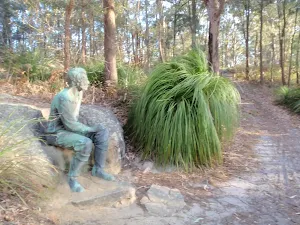
Continue straight: From the intersection, this walk follows the upper arrow on the post, away from the power line, heading uphill to the south. The walk soon veers left (ignoring the wider trail on the right) and winds up the timber steps, through the rocky outcrop and follows a wire fence for a short time. The track follows the top of the ridge (with some filtered district views) until coming to a bronze sculpture of Edward John Eyre.

Edward John Eyre

Edward John Eyre
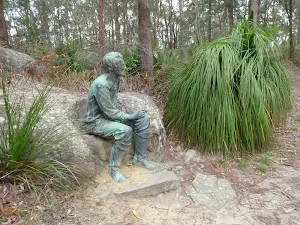
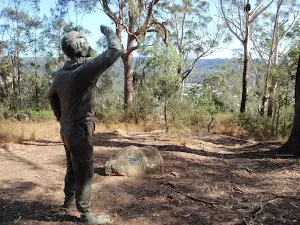
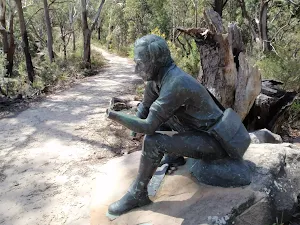
The Sculpture of Edward John Eyre is found near the southern end of the Mouat Trail in Rumbalara Reserve. Commissioned by Sara Lee Kitchens and the State Bicentennial Commission, this 1.25 scale figurative work was sculptured by Carl Merten[14]. A circular inscription at the base declares this to be 'Edward John Eyre 1815-1901'[15]. Eyre is one of Australia's more famous explorers. A father of 5, he was awarded the founder's gold medal from the Royal Geographical Society in 1847. In 1841, Eyre was appointed as resident magistrate and protector of Aborigines. He summed up his work like this - "Moorundie was a District densely populated by Natives and in which prior to 1841 no settler had ventured to locate, and where (before I was stationed there) frightful scenes of bloodshed, rapine and hostility between the Natives and Parties coming overland with Stock had been of very frequent occurrence, but where, from the time of my arrival, and up to the date of my leaving not a single case of serious injury or aggression ever took place on the part of the Natives against the Europeans, whilst the district became rapidly and extensively occupied by Settlers and by Stock". Eyre also served as lieutenant-governor for New Zealand, lieutenant-governor for St Vincent (West Indies), governor for Leeward Islands, governor for Antigua and governor-in-chief for Jamaica. More info.

(4km) Sculpture of Edward John Eyre → Int of Mouat Walk and Dolly Ave

distance 180 m time 3 mins climb 3m descent -2m Hard track
Continue straight: From the sculpture, this walk follows the management trail, leaving the sculpture behind on the left. The trail meanders for a short distance to an intersection with a bush track, on the right (with a gate visible straight ahead).
Continue straight: From the intersection, this walk follows the management trail gently up the hill towards the gate. The walk passes around the gate to the intersection with Dolly Ave, with a 'Mouat Walk' signpost pointing back to the 'Statue of Edward John Eyre 50 metres'.

Rumbalara Reserve Flora and Fauna

Rumbalara Reserve Flora and Fauna
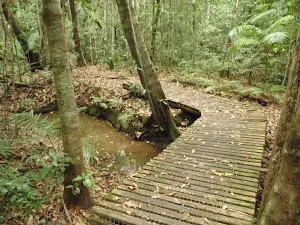
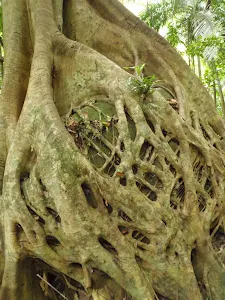
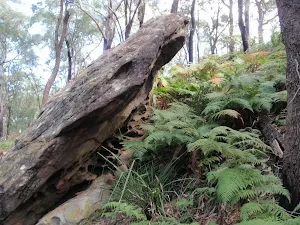
The reserve is home to a wide range of flora and fauna. The vegetation types range from the relatively dry 'Coastal Narrabeen Ironbark Forest' to pockets of 'Coastal Warm Temperate Rainforest'. Commonly seen birds include Kookaburras, Eastern Rosellas and Magpies. Rarer birds such as the Glossy Black Cockatoo and Swift Parrot are sometimes sighted here as well. Sugar Gliders, Brush-tailed possums, Blue-tounged lizards and Tree snakes can be seen in the reserve if you are patient and lucky enough.

Maps for the Mouat Trail (Katandra to Rumbalara) walk

You can download the PDF for this walk to print a map.
These maps below cover the walk and the wider area around the walk, they are worth carrying for safety reasons.

Gosford1:25 000 Map Series91312S GOSFORDNSW-91312S
Gosford1:100 000 Map Series9131 GOSFORD9131

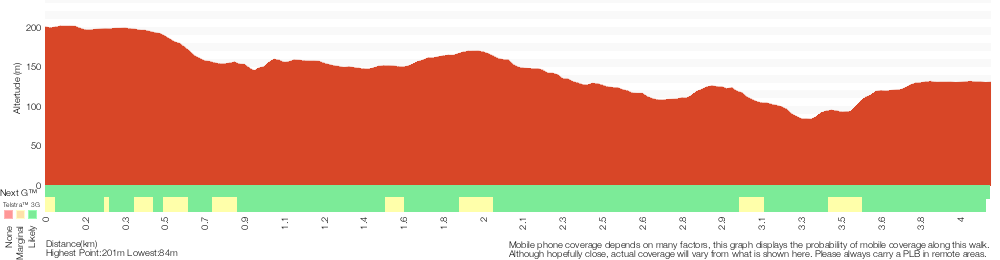
Cross sectional view of the Mouat Trail (Katandra to Rumbalara) bushwalking track

Terrain profile for Mouat Trail (Katandra to Rumbalara)

Analysis and summary of the altitude variation on the Mouat Trail (Katandra to Rumbalara)

Altitude analysis for Mouat Trail (Katandra to Rumbalara)

Overview of this walks grade – based on the AS 2156.1 – 2001

Under this standard, a walk is graded based on the most difficult section of the walk.

Length4.1 km
Time2 hrs
.


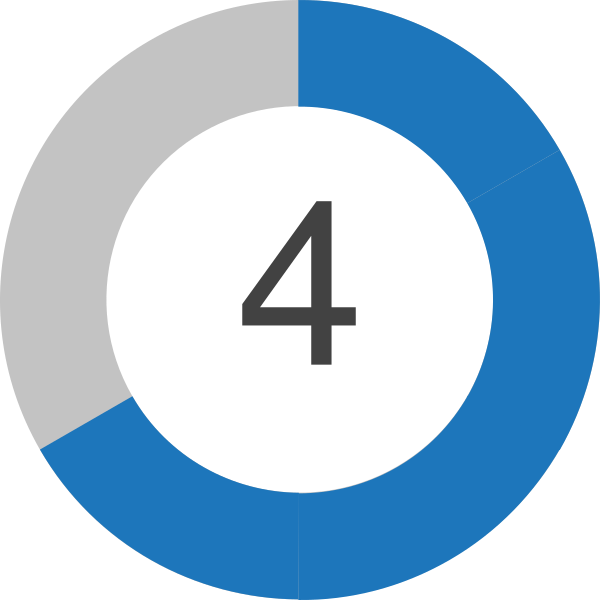
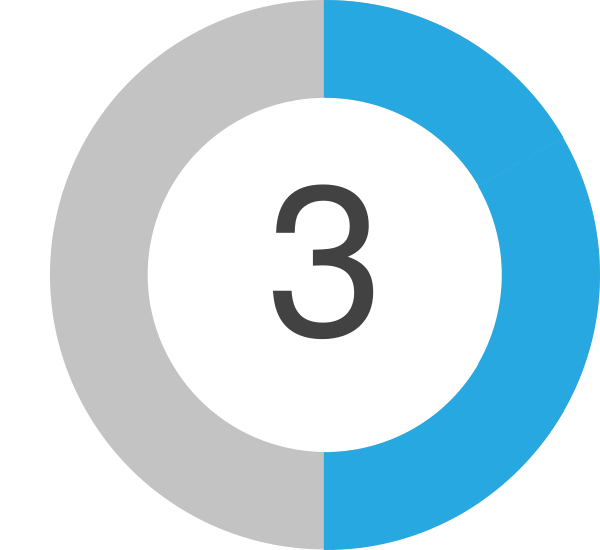
Grade 4/6


Hard track
AS 2156.1GradientShort steep hills (3/6)
Quality of trackFormed track, with some branches and other obstacles (3/6)
SignsMinimal directional signs (4/6)
Experience RequiredSome bushwalking experience recommended (3/6)
WeatherWeather generally has little impact on safety (1/6)
InfrastructureLimited facilities, not all cliffs are fenced (3/6)

Some more details of this walks Grading

Here is a bit more details explaining grading looking at sections of the walk

Gradient

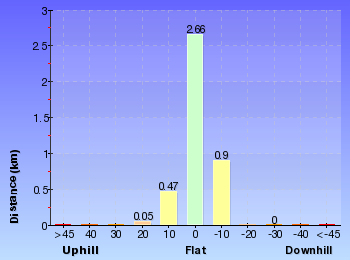
3km of this walk has gentle hills with occasional steps and another 1km has short steep hills. The remaining (80m) is flat with no steps.

Quality of track

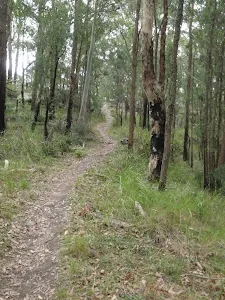
Around 2.4km of this walk follows a clear and well formed track or trail, whilst the remaining 1.7km follows a formed track, with some branches and other obstacles.
Signs

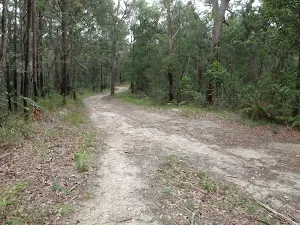
3.4km of this walk has directional signs at most intersection and another 390m is clearly signposted. The remaining (340m) has minimal directional signs.

Experience Required

Around 2.6km of this walk requires no previous bushwalking experience, whilst the remaining 1.5km requires some bushwalking experience.

weather

This whole walk, 4.1km is not usually affected by severe weather events (that would unexpectedly impact safety and navigation).

Infrastructure

Around 3.5km of this walk is close to useful facilities (such as fenced cliffs and seats), whilst the remaining 610m has limited facilities (such as not all cliffs fenced).

Similar walks

A list of walks that share part of the track with the Mouat Trail (Katandra to Rumbalara) walk.
Other Nearby walks

A list of walks that start near the Mouat Trail (Katandra to Rumbalara) walk.

Plan your trip to and from the walk here

The Mouat Trail (Katandra to Rumbalara) walk starts at the St Johns Lookout car park (gps: -33.406508, 151.39009)

The Mouat Trail (Katandra to Rumbalara) ends at the Int of Mouat Walk and Dolly Ave (gps: -33.423723, 151.36051)

Weather Forecast

This walk starts in the Hunter weather district.

Current Alerts

Park Information

Katandra Reserve

The Katandra Reserve is a protected area of bushland east of Gosford City and north of Erina. The area is part of the Hornsby Sandstone Plateau and is home to some diverse flora and fauna. There are two main picnic areas and a few great walking and horse riding tracks in the reserve as well as the St Johns Lookout. Katandra is an aborginal word meaning 'Song of Birds', the name suits this place well, with the diverse forest been home to many birds happy to share their songs with walkers.

Rumbalara Reserve

The Rumbalara Reserve is a protected area of bushland just to the east of Gosford City. The area is part of the Hornsby Sandstone Plateau and is home to some diverse flora and fauna. There are some good picnic areas and great walking in the reserve. Rumbalara is an aborginal word meaning 'rainbow', the name suits this place well, with its great range of colour in the rock and plants.
Comments