Nielsen Park and Strickland House loop

Download & Print Map and Notes

Tap again to allow map panning

Time 1 Hr
Circuit 2.5 km Circuit
Climb 104 m
Grade 3 Moderate track
Bus Car
no_pets
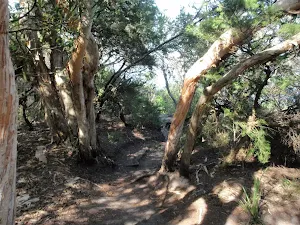
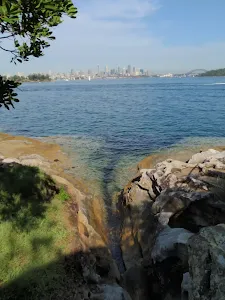
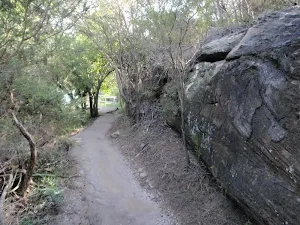
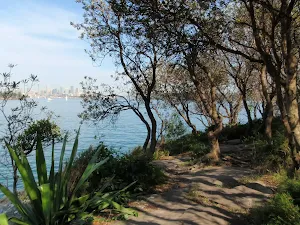
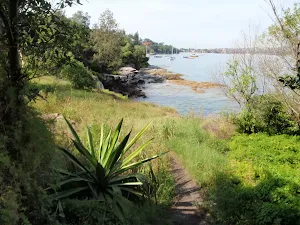
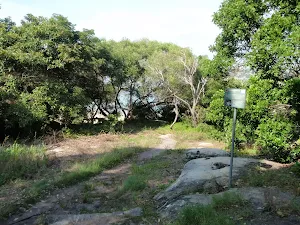
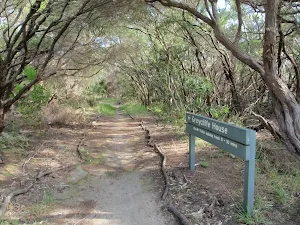
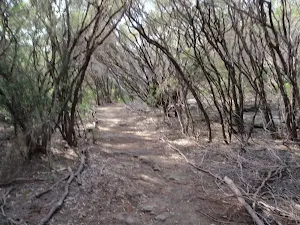
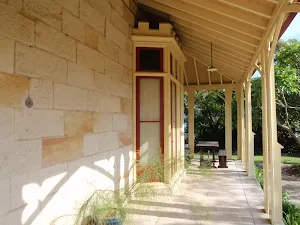
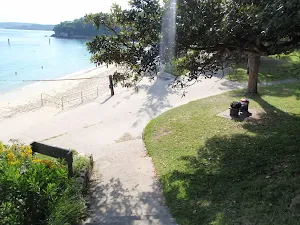
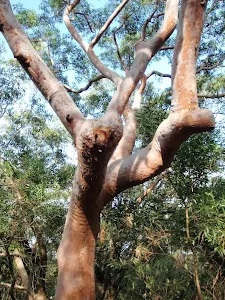
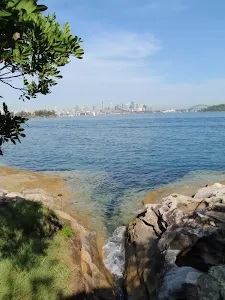
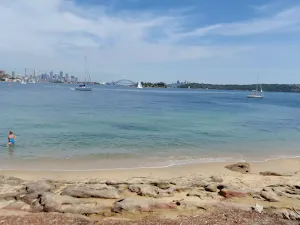
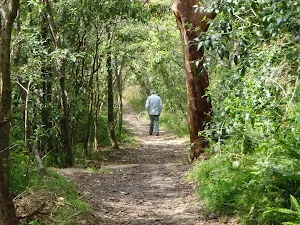
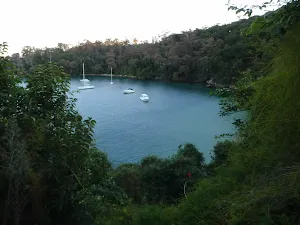
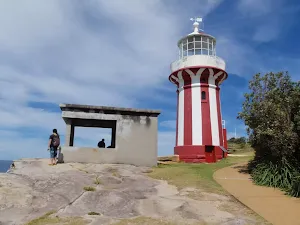
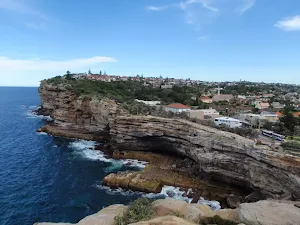
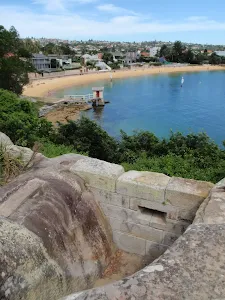
On this walk, you will stroll along the shore of Sydney Harbour, discovering many great views and the secluded Milk Beach before visiting the grand Strickland and Greycliffe Houses. This is a great way to explore the natural beauty, as well as some stately gardens, at the northern end of the Hermitage Foreshore Walk. Allow extra time to simply roam around the yards and enjoy the views from the many vantage points along the way.

(0km) Greycliffe Ave Car Park → Nielsen Park Cafe

distance 200 m time 3 mins climb 0m descent -7m Very easy
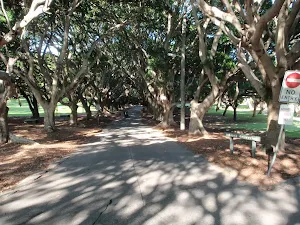
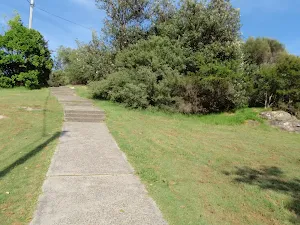
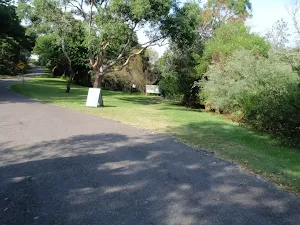
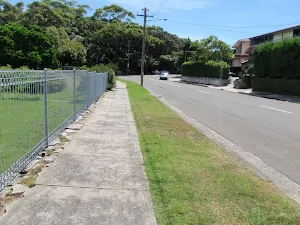
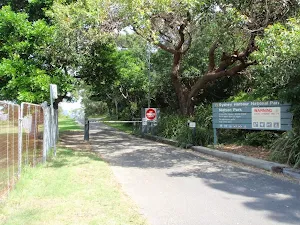
From the lower end of the car park on Greycliffe Ave, this walk heads around the gate and along the sealed path (driveway) towards the water, passing the 'Sydney Harbour National Park' sign[1]. After ≈50m, the path leads to a four-way intersection just past the garbage bins.
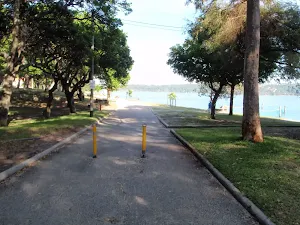
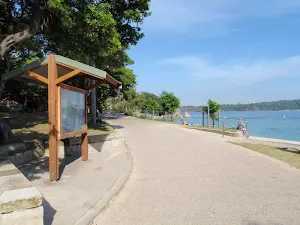
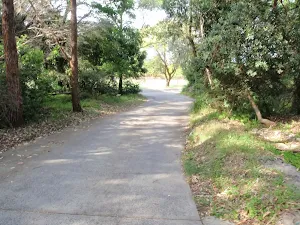
Continue straight: From the intersection, this walk heads towards the water following the wide path[2]. The path soon bends left (near the toilet block, on the right[3]) and heads behind the beach, past the large information sign[4]. Soon the path heads over the 'Dressing Pavilion' tunnel[5] and, ≈50m later, comes to the front of the Nielsen Park Cafe[6] with it's great water views[7].

Shark Bay

Shark Bay
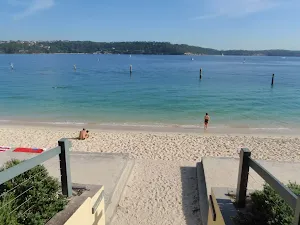
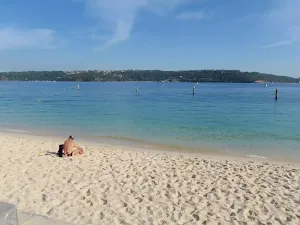
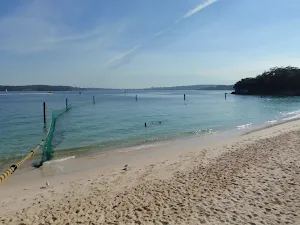
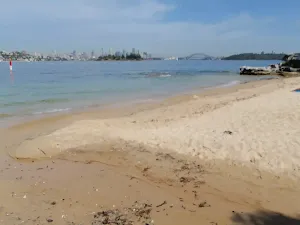
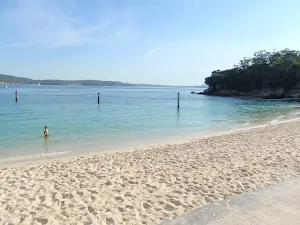
Located at the northern end of Nielsen Park, this beach faces north across Sydney Harbour. The sandy beach offers a swimming net enclosure[8], public toilets[9][10] and change rooms[11], showers[12] and is a popular place for people to simply relax. The beach is a focal point of Nielsen Park and also boasts a cafe[13]. Protected by the harbour, there is no surf at this beach. The beach is not patrolled. This is a lovely spot, with natural shade not far from the beach.

Nielsen Park Cafe

Nielsen Park Cafe
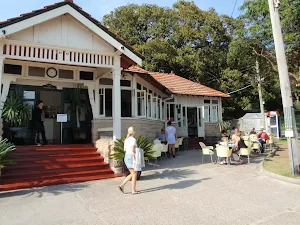
Open 8-5 daily, this historic cafe offers inside seating and a range of meals, including breakfast, sandwiches and hot food. This is one of a number of buildings in Nielsen Park which are available for functions. For further enquiries, contact 9337 1574. More info.

(0km) Nielsen Park Cafe → Western end of Shark Bay

distance 90 m time 1 mins climb 1m descent 0m Very easy
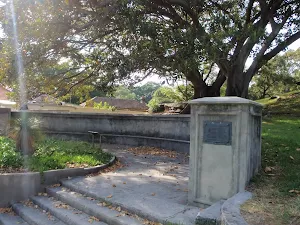
Continue straight: From Nielsen Park Cafe, this walk heads the short distance along the path in front of the cafe and behind the beach (keeping the water to your right)[14]. The path heads past the 'William Albert Notting'[15] and 'Niels R.W. Nielsen, MLA'[16] memorial[17] (on your left) to soon find a four-way intersection (at the base of some steps) at the eastern end of Shark Bay[18].

(0km) Western end of Shark Bay → Degaussing range

distance 70 m time 2 mins climb 11m descent 0m Easy track
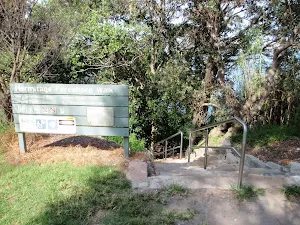
Continue straight: From the intersection, this walk follows the 'Hermitage Foreshore Walking Track' sign[19] up the stairs. The path soon flattens out though the open grassy area, and heads up a few more steps to come to an intersection with a road (driveway) next to the fenced degaussing range (on your right)[20].

Degaussing range

Degaussing range
This degaussing range, found at Steele Point, was constructed in 1960 and is still operated by the Royal Australian Navy today. Degaussing is the process of removing (or at least reducing) a magnetic field. This degaussing range services four areas in the harbour (about 500m from the building), where metal ships passing over will be automatically de-magnetised. Why? Mostly to prevent the triggering of seabed mines. More info.

(0km) Degaussing range → Steele Point Gun Emplacement

distance 50 m time 1 mins climb 0m descent -7m Easy track
Turn sharp right: From the intersection, this walk heads up the driveway, keeping the degaussing range fence just to your left[24]. At the end of the driveway, the walk heads across the grass[25] to find the Steele Point Gun Emplacement[26] just behind the degaussing range. Beware of the unfenced drop into the emplacement[27]. At the end of this side trip, retrace your steps back to the main walk then Turn right.

Steele Point Gun Emplacement

Steele Point Gun Emplacement
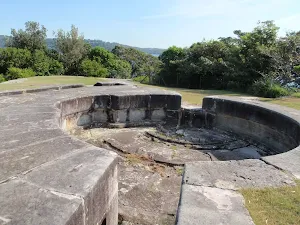
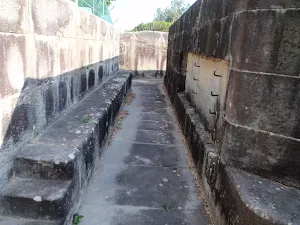
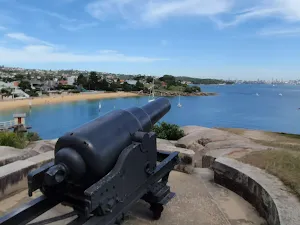
Construction of this initial emplacement took about three years and was completed in 1874. The sandstone pit once had a steel dome (to protect from shells) and was part of a series of gun emplacements protecting from the threat of invasion. Today, you will find a series of tall sandstone channels[29] and the circular pit where the main gun once stood[30]. A set of un-railed steps leads into the pit - please take care in the area, as the pit is not fenced.

(0km) Degaussing range → Steele Point int

distance 30 m time 1 mins climb 4m descent 0m Very easy
Veer right: From the intersection, this walk heads along the road, keeping the degaussing range[31] to your right. Just after the 'Steele Point Cottage' sign[32], the road comes to an intersection marked with a large 'Hermitage Foreshore Walk' sign[33], in the grassy clearing on your right.

Steele Point Cottage

Steele Point Cottage
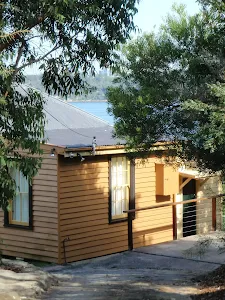
Why not make a weekend of it? Built in 1880, this one-time gunners' barracks has been restored as a one bedroom getaway. Managed by NPWS, you can hire this cottage (found on Steele Point) from $330 per night (two night min). Great for a romantic weekend away for two. More info.

(0km) Steele Point int → Steele Point Lookout

distance 60 m time 1 mins climb 1m descent -4m Easy track
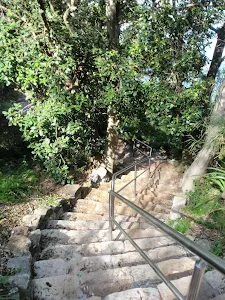
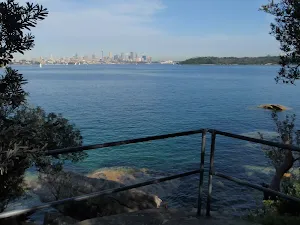
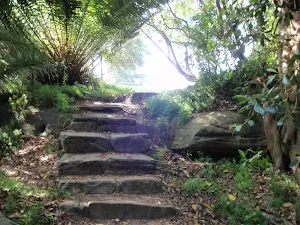
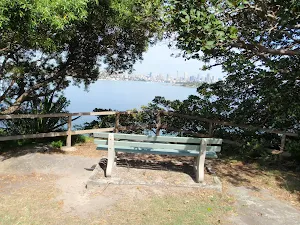
Veer right: From the intersection, this walk follows the 'Hermitage Foreshore Walk' sign[34] down the sandstone stairs (with handrail). At the bottom of the stairs, the track leads past a 'Surviving in the city' information sign[35] and ≈25m later, comes to an unnamed, fenced lookout with good water and city views[36].

Steele Point Lookout

Steele Point Lookout
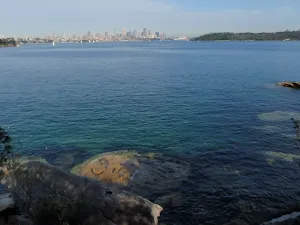
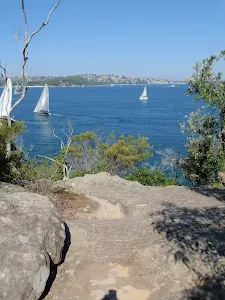
Informally named, this fenced[37] lookout is the most northern lookout on the Hermitage Foreshore Walk. There are great harbour views to the city[38] in this well-shaded spot.

(0km) Steele Point Lookout → Surviving in the City sign int

distance 390 m time 9 mins climb 21m descent -28m Moderate track
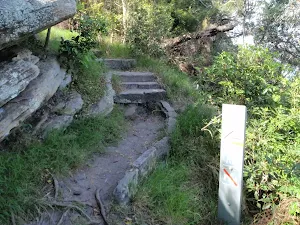
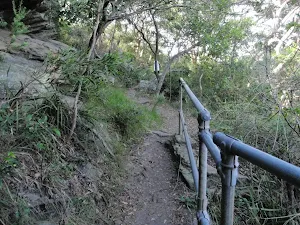
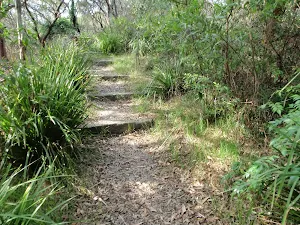
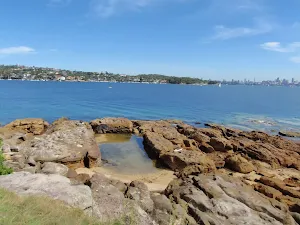
Turn left: From the lookout, this walk follows the NPWS arrow up the steps[39] (keeping the water to your right). The track leads past a couple of handrails and a sandstone overhang[40] and, at the bottom of some steps, comes to a minor intersection, marked with warning sign[41] (on your right). (This short side track leads to an unfenced view of the harbour[42] - heed the warning). The walk continues along the main track, past another handrail section with more views[43] and ≈90m later, the track heads down some steps to the foreshore with some interesting rock formations[44]. From here, the walk follows the handrail past the small inlet[45] and along the coastline. After a further ≈150m, the track comes to a faint intersection marked with another 'Surviving in the City' information sign[46].

(1km) Surviving in the City sign int → Milk Beach

distance 250 m time 6 mins climb 12m descent -17m Moderate track
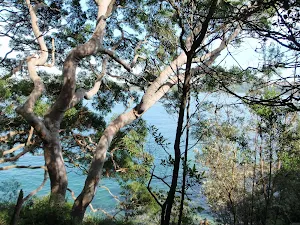
Veer right: From the intersection, this walk heads down a few steps, keeping the water to your right. The track soon leads through a fairly weedy section[47], with great harbour views[48]. The track then leads up some steps over a rise, coming to a minor intersection near a gap in the black wire fence[49]. (The track to the left leads into the northern end of the Strickland House property). Here, the walk turns right and heads down the hill[50], where the track then tends left and down some steps[51] onto the northern end of Milk Beach[52].

Milk Beach

Milk Beach
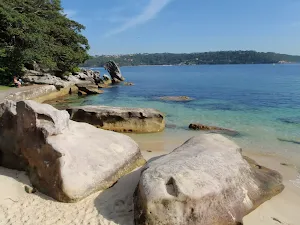
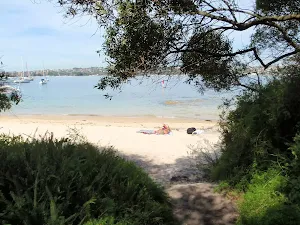
Milk Beach is a small, secluded, sandy beach in Sydney Harbour National Park, on the inside of South Head. In the 'back yard' of Strickland House[53], this beach is a memorable spot along the Hermitage Foreshore Walk[54]. The beach is about 50m wide and faces south-east. The views across the water to the city and to Shark Island are great[55]. A seat on the grassy clearing behind the beach makes a very inviting offer to sit[56] and enjoy for a while. This is also a great place to get the toes wet.

(1km) Milk Beach → Strickland House picnic area

distance 100 m time 2 mins climb 9m descent -2m Easy track
Veer left: From Milk Beach, this walk heads to the south-eastern end of the beach[57] (the far end, with the water on your right), and heads up the steps to the bench seat[58] and a large 'Hermitage Foreshore Walk' sign[59] behind the beach. Here, the walk turns right and heads up the stone stairs[60] and past a NPWS arrow marker [61] to find a large grassy clearing[62] and some picnic tables[63] at the back of Strickland House[64].

(1km) Strickland House picnic area → Strickland House

distance 90 m time 2 mins climb 5m descent 0m Easy track
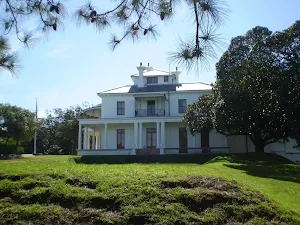
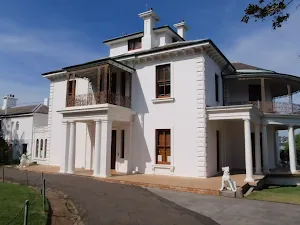
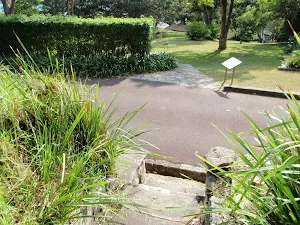
Turn left : From the picnic tables[65], this walk heads across the lawn up to the large, white Strickland House[66]. The walk then heads around the left side of the building[67] to the driveway and front of the house[68][69].

Strickland House

Strickland House
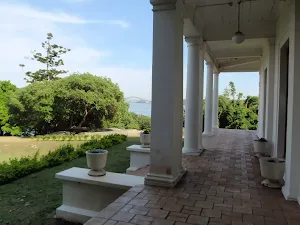
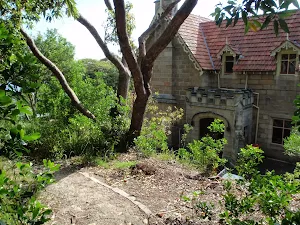
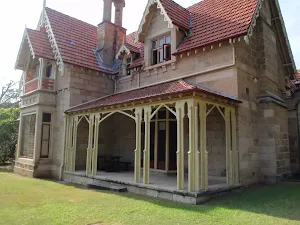
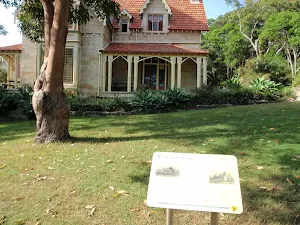
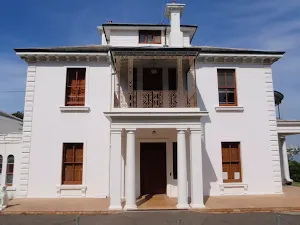
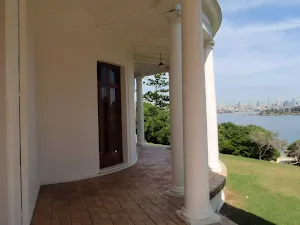
First established in 1913 and named after Sir Gerald Strickland (Governor of NSW 1913-1917), Strickland House was a women's convalescent home until 1989. Today, the house and gardens are hired out for private functions, however, if just walking through, this is a great spot to take a break, enjoy the views and rest from the walk. For more information, phone Strickland House on (02) 9337 5999.

(1km) Strickland House → Top of Strickland House Driveway

distance 160 m time 3 mins climb 15m descent 0m Very easy
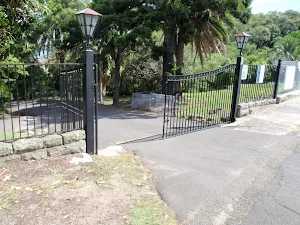
Turn left: From the front of Strickland House[72], this walk heads uphill along the driveway, keeping the open gardens and water views to your left[73]. This walk follows the main driveway up[74] and, soon after bending right, the driveway passes a caretaker's cottage[75] (to your right) and heads through the gates[76] to find a footpath beside Vaucluse Rd[77].

(1km) Top of Strickland House Driveway → Boomgate on Vaucluse Rd

distance 100 m time 2 mins climb 3m descent -1m Very easy
Turn left : From the gate[78] at the top of Strickland House Driveway, this walk follows the footpath, keeping Vaucluse Rd to your right and Strickland House to the left[79]. At the end of the fence, the walk comes to an intersection marked with a large 'Sydney Harbour National Park - Nielsen Park' sign[80] and a boom gate.

(2km) Boomgate on Vaucluse Rd → NP Workshop driveway

distance 60 m time 1 mins climb 3m descent 0m Very easy
Turn left : From the intersection, this walk heads past the 'Sydney Harbour National Park - Nielsen Park' sign[81] and around the boom gate. Soon this road leads to a three-way intersection with the 'Workshop' driveway[82] (on your right).

(2km) NP Workshop driveway → Greycliffe House

distance 540 m time 12 mins climb 12m descent -30m Easy track
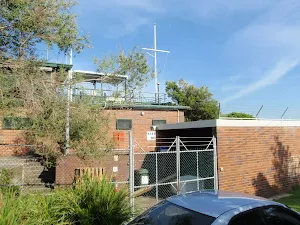
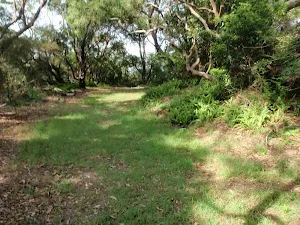
Turn right: From the intersection, this walk follows the 'Workshop' sign[83] up the concrete driveway towards the workshop. Just near the fence of the workshop, this walk turns right and follows the wide trail[84] as it bends around the workshop's perimeter (bending left at each corner). The path leads past a view of some houses on Vaucluse Rd[85]. Here the walk tends left and heads behind the workshop to find and follow the 'Greycliffe House' sign[86] along the narrower (but still clear) track. This track meanders over Mt Trefle (the high point, but not very high). Soon the track comes beside Greycliffe House and passes a 'Surviving the City' information sign[87], before coming to a four-way intersection at the bottom of some sandstone steps, in front of Greycliffe House[88].

Greycliffe House

Greycliffe House
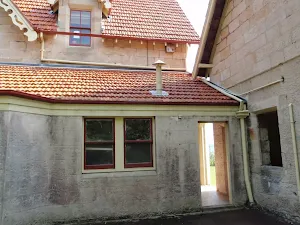
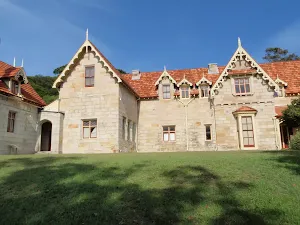
Greycliffe House was completed in 1851 by John Reeve, son-in-law to the explorer W C Wentworth. The house was unoccupied between 1898 and 1911, when it was taken over by the State Government and used as a baby hospital and Tresillian mothercraft home in to the 1930s. Many of the plantings are from this era. Today, the building is home to the Sydney Harbour South office of the NSW National Parks and Wildlife Service, and is one of few remaining examples of gothic architecture in Sydney. More info.

(2km) Greycliffe House → Greycliffe Ave Car Park

distance 370 m time 7 mins climb 7m descent -14m Easy track
Continue straight: From the intersection (in front of Greycliffe House[90]), this walk follows the path past the 'Greycliffe House' information sign[91] (with the house on your right). The path almost immediately bends left and heads down the steps towards the water and beach. Near the bottom, the path heads past the sandstone toilet block[92] (on your left) and comes to a four-way intersection at the eastern end of Shark Bay.
Turn sharp right: From the intersection, this walk follows the flat, wide path, keeping the beach and water to the left. The path soon passes the 'William Albert Notting'[93] and 'Niels R.W. Nielsen, MLA'[94] memorial[95] (on your right) and, not much further along, comes to the front of Nielsen Park Cafe[96].
Continue straight: From Nielsen Park Cafe, this walk heads along the path, keeping the beach and water to your left. After ≈50m, the path heads over the 'Dressing Pavilion' tunnel[97] and soon passes a large information sign[98]. At the sign, the path bends right and then comes to a four-way intersection near a large number of garbage bins[99].
Continue straight: From the intersection, this walk follows the wide sealed path (driveway) directly away from the water, past the garbage bins. The path soon leads past the 'Sydney Harbour National Park' sign[100] and through the gate to Greycliff Ave.

Maps for the Nielsen Park and Strickland House loop walk

You can download the PDF for this walk to print a map.
These maps below cover the walk and the wider area around the walk, they are worth carrying for safety reasons.

Sydney Heads1:25 000 Map Series91302N SYDNEY HEADSNSW-91302N
Sydney1:100 000 Map Series9130 SYDNEY9130

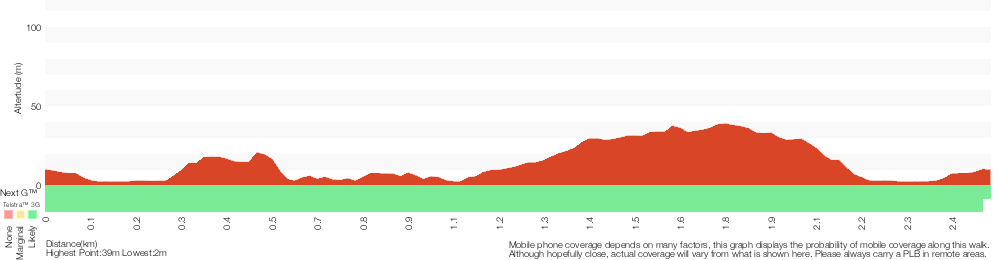
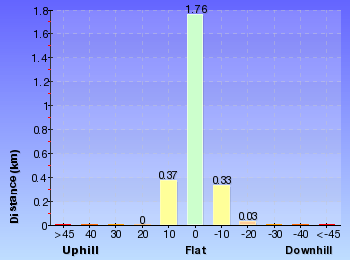
Cross sectional view of the Nielsen Park and Strickland House loop bushwalking track

Terrain profile for Nielsen Park and Strickland House loop

Analysis and summary of the altitude variation on the Nielsen Park and Strickland House loop

Altitude analysis for Nielsen Park and Strickland House loop

Overview of this walks grade – based on the AS 2156.1 – 2001

Under this standard, a walk is graded based on the most difficult section of the walk.

Length2.5 km
Time1 Hr
.


Grade 3/6


Moderate track
AS 2156.1GradientShort steep hills (3/6)
Quality of trackFormed track, with some branches and other obstacles (3/6)
SignsClearly signposted (1/6)
Experience RequiredNo experience required (1/6)
WeatherWeather generally has little impact on safety (1/6)
InfrastructureGenerally useful facilities (such as fenced cliffs and seats) (1/6)

Some more details of this walks Grading

Here is a bit more details explaining grading looking at sections of the walk

Gradient

1.2km of this walk has gentle hills with occasional steps and another 910m is flat with no steps. The remaining (390m) has short steep hills.

Quality of track

1.1km of this walk follows a smooth and hardened path and another 790m follows a clear and well formed track or trail. The remaining (640m) follows a formed track, with some branches and other obstacles.

Signs

This whole walk, 2.5km is clearly signposted.

Experience Required

This whole walk, 2.5km requires no previous bushwalking experience.

weather

This whole walk, 2.5km is not usually affected by severe weather events (that would unexpectedly impact safety and navigation).

Infrastructure

This whole walk, 2.5km is close to useful facilities (such as fenced cliffs and seats).

Similar walks

A list of walks that share part of the track with the Nielsen Park and Strickland House loop walk.
Other Nearby walks

A list of walks that start near the Nielsen Park and Strickland House loop walk.

Plan your trip to and from the walk here

The Nielsen Park and Strickland House loop walk starts and ends at the Greycliffe Ave Car Park (gps: -33.850846, 151.26857)


Weather Forecast

This walk starts in the Metropolitan weather district.

Current Alerts

Park Information

Sydney Harbour National Park

One of Sydney's most diverse parks, Sydney Harbour National Park is formed from 11 pockets of harbour islands and shoreline. Highlights include coastal walks and swimming, breath-taking viewpoints, tours of colonial buildings and Aboriginal cave art.

Comments